Need Contractors in Atlanta? Find Trusted Pros Fast
Welcome to the Atlanta Contractors Directory! Whether you're renovating your kitchen or building your dream home, we've got the local pros ready to help you get it done right.
Map of Businesses in Atlanta
All Listings in Atlanta
21 businesses
CRM Construction & Renovation
General contractor
LM Construction
Roofing contractor
Sandy Springs City Kitchen and Bathroom Works
Custom home builder
Sandy Springs Siding
Siding contractor
Spindle & Oak, LLC
Construction company
YMH Construction
General contractor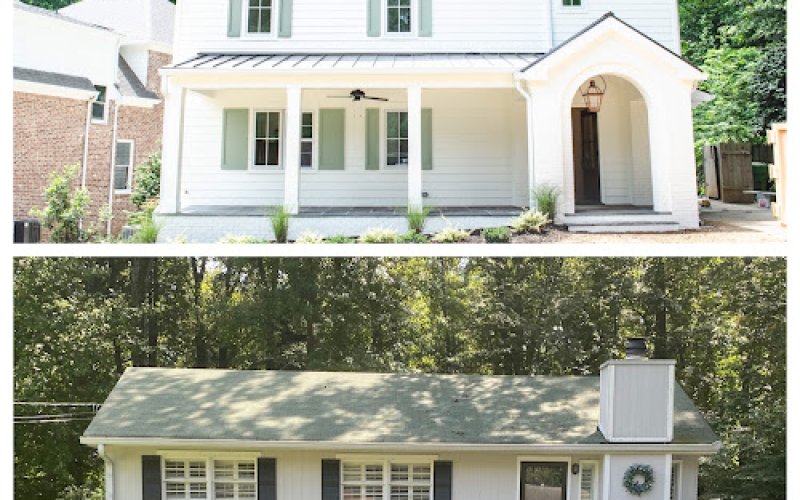
1st Choice Remodel ATL
Home builder
DMWRIGHT SOLUTIONS, LLC
Construction company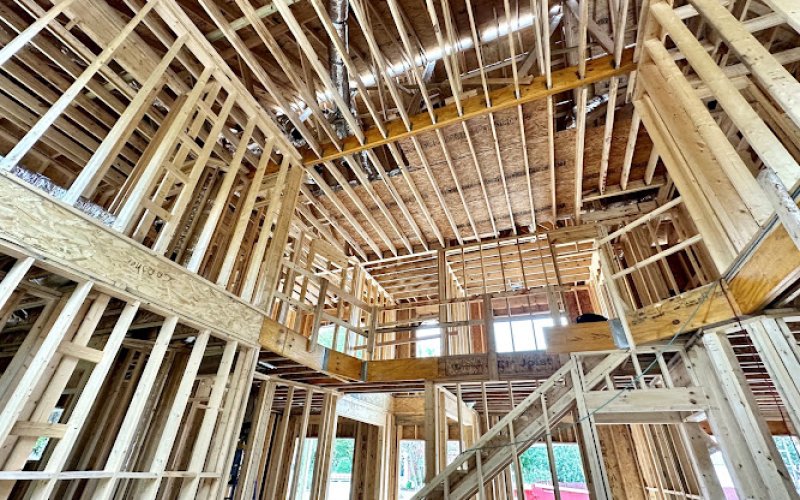
Georgia In Home Services
Roofing contractor
Glazer Design & Construction
General contractor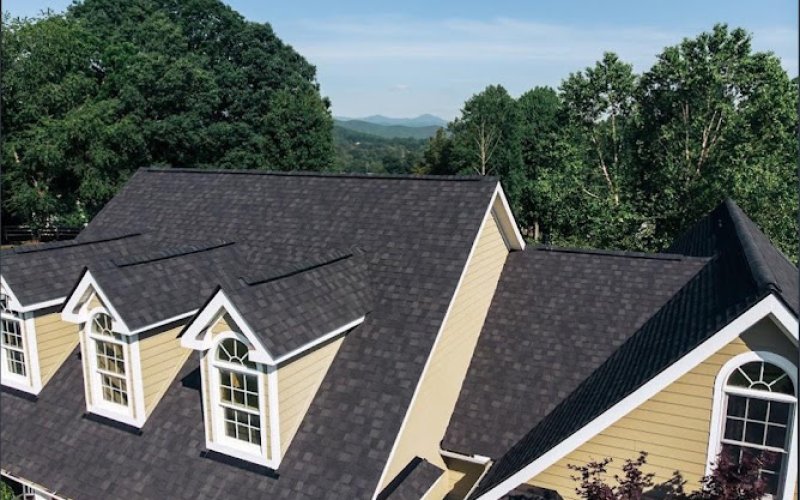
Simmons Brothers Roofing & Remodeling
Roofing contractor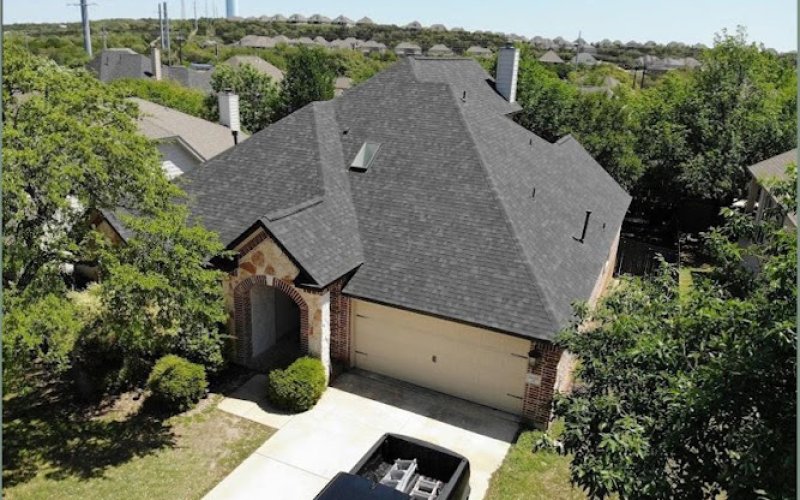
Valdez & Sons Roofers LLC
Roofing contractor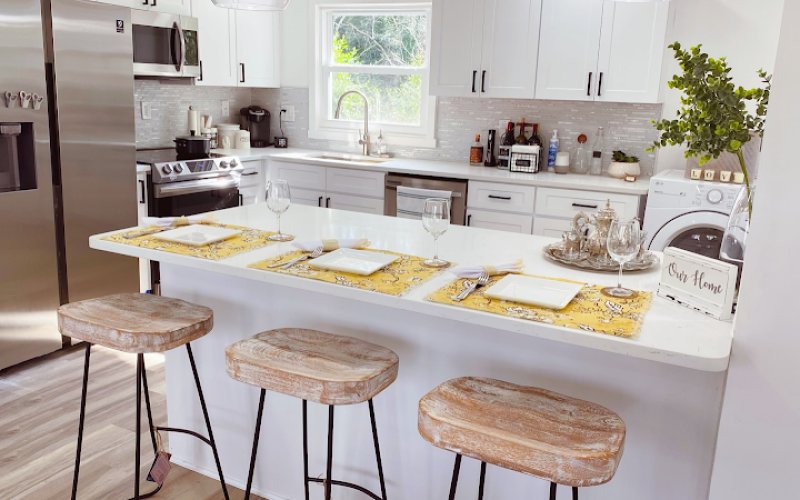
Irvin’s Construction Company, LLC
Construction company
Mr. Handyman of Sandy Springs, Dunwoody and N Atlanta
Handyman/Handywoman/Handyperson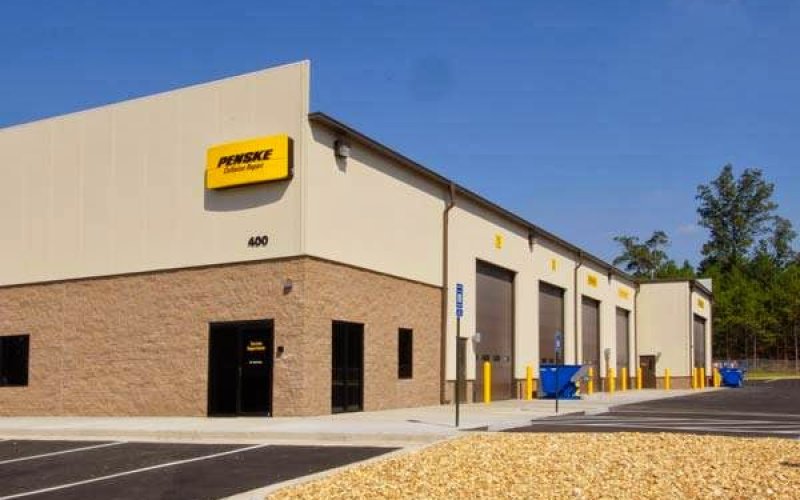
Rainwater Construction Co
Construction company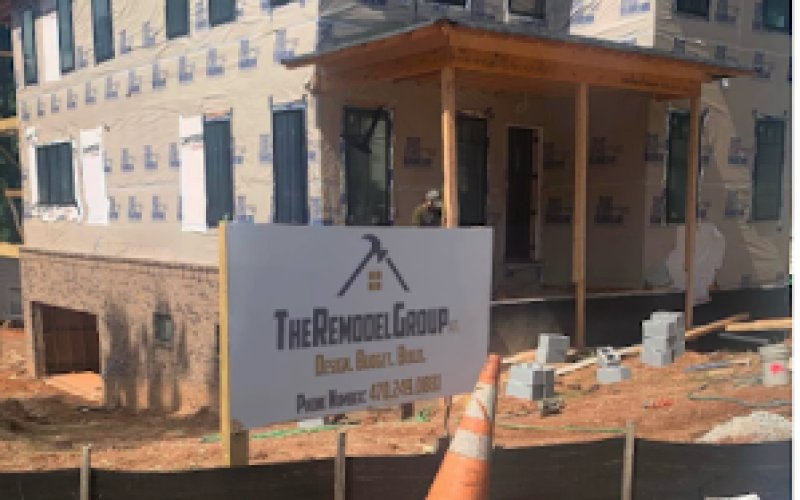
The Remodel Group ATL
Construction company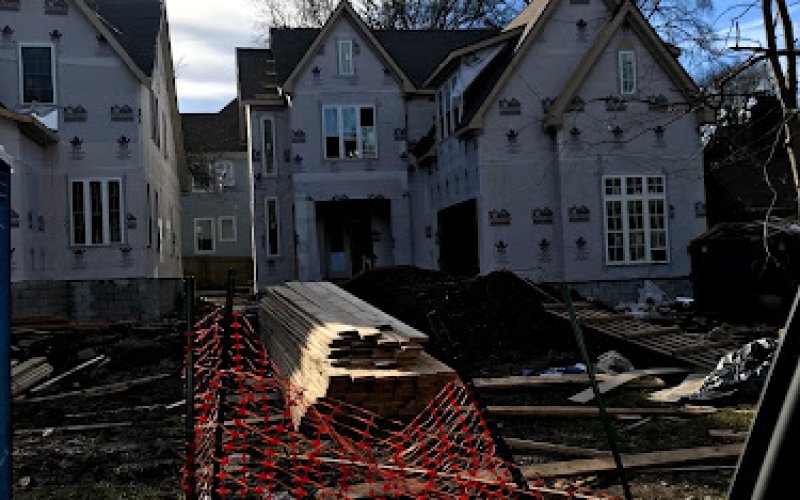
Affordable Remodeling
General contractor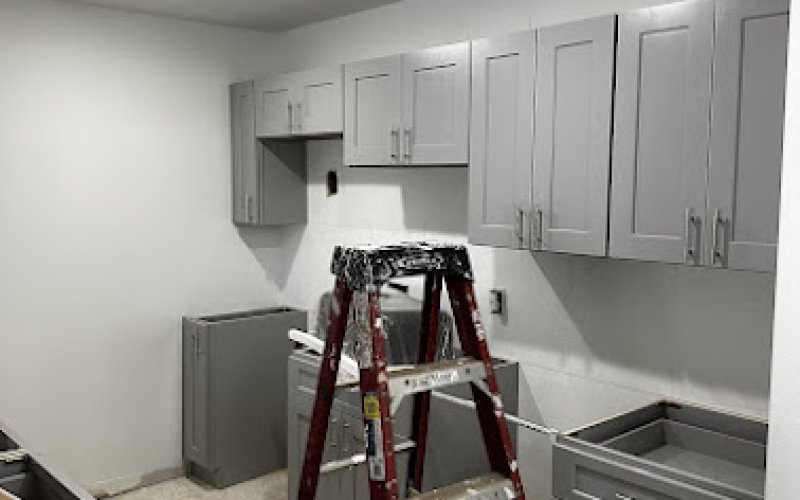
Iron Constructions
Contractor
Southern Magnolia Construction LLC.
Construction company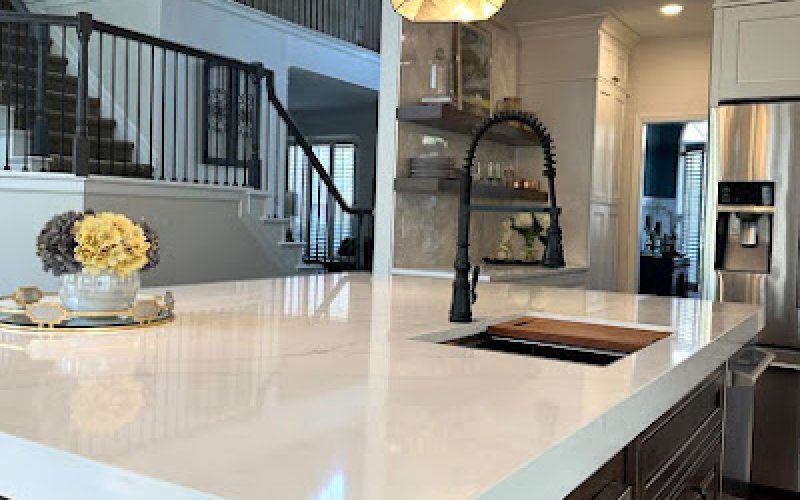
VIBE Construction Group
General contractorAbout Contractors in Atlanta
Here's something people don't talk about enough: Atlanta's clay soil and its explosive growth over the last few decades mean a huge share of the housing stock is either brand new construction or something built in the 60s-90s that's now due for major work. There's not a lot of in-between.
That gap shapes the whole contractor market here. You've got crews who specialize in new-build subdivisions out in the suburbs, and a completely different set who know how to deal with an aging brick ranch in a neighborhood that's seen three decades of additions and DIY "fixes" nobody pulled permits for. Knowing which type you actually need matters more than people realize going in.
Demand for contractors in a market like this generally gets driven by a few predictable things — storm damage (Atlanta gets its share of severe thunderstorms and the occasional ice event that wrecks roofs and trees), aging systems in older homes, renovation trends as neighborhoods gentrify, and plain population growth pushing new construction outward. None of that is unique to Atlanta, but it's all present here at once.
Typical customers run the gamut — homeowners doing a kitchen or bath remodel, landlords maintaining rental property, people flipping houses in up-and-coming areas, and businesses needing commercial buildouts. Atlanta's sprawl also means a lot of contractors specialize geographically, because driving crosstown in traffic here eats a whole afternoon. That's just reality, not a complaint.
Old Fourth Ward / Inman Park
- Area Character: Historic homes, a lot of them beautifully renovated already, sitting alongside newer infill construction near the Beltline.
- Contractors Relevance: Demand skews toward renovation work that respects historic character — think plaster repair, period-appropriate finishes, and additions that don't clash with a 1910s bungalow.
- Good to Know: Historic district rules can affect what you're allowed to change on the exterior, so ask any contractor upfront if they've dealt with that kind of review before.
Buckhead
- Area Character: A mix of high-end estates, high-rise condos, and everything in between — one of the more established, higher-cost pockets of the city.
- Contractors Relevance: Larger-scale remodels, luxury finishes, and condo association rules that complicate anything involving noise, elevators, or shared systems.
- Good to Know: If you're in a condo or HOA, get the association's construction rules before you get a quote — it changes the timeline and sometimes the price.
Decatur & East Atlanta
- Area Character: Walkable, older housing stock, a strong sense of neighborhood identity, lots of bungalows and cottages.
- Contractors Relevance: Foundation work, electrical upgrades, and additions are common here since a lot of the housing predates modern code.
- Good to Know: Narrow lots and older infrastructure mean permitting and utility access can slow things down — build extra time into your expectations.
💰 What Drives the Price:
- Scope and complexity of the job, obviously — but also the age and condition of what's already there. Older homes hide surprises, and surprises cost money.
- Material choices swing costs a lot more than most people expect going in. Same goes for whether you're matching an existing style versus starting fresh.
- Contractor experience and demand — busier, more established crews often price higher, but that premium sometimes buys you fewer headaches.
- Getting multiple local quotes is genuinely the only reliable way to know what something costs right now, in this market. Anyone quoting you a number without seeing the job in person should raise an eyebrow.
📈 General Patterns:
Demand for most contractor work tends to rise in warmer months when outdoor and exterior projects are easier to schedule, and slows down some in the coldest stretch of winter. Timelines get affected by weather delays, permit backlogs, and material availability — all of which can shift depending on what's going on regionally, not just in Atlanta.
- Get at least three quotes for anything beyond a small repair — it's the fastest way to spot an outlier, high or low.
- Ask for a written, itemized estimate, not a verbal ballpark. Vague quotes tend to turn into vague final bills.
- Ask what could change the price mid-project. A good contractor can tell you upfront what the likely surprises are.
Why Local Providers Have an Edge:
A contractor who's worked in Atlanta for years knows the clay soil issues, the humidity's effect on materials, and which permitting offices move fast versus slow. That's not something an out-of-town crew picks up overnight.
- Familiarity with local building types — from Midtown high-rises to Decatur bungalows — means fewer surprises mid-project.
- If something goes wrong six months later, a local business with a real address and a local reputation is a lot easier to hold accountable than someone who blew through town.
- Local reputation is checkable — through neighbors, local Facebook groups, and reviews tied to an actual physical presence.
What This Means for You: practically speaking, it means doing a little homework on how long a company's actually operated here pays off. A contractor with roots in the area has more incentive to do the job right — their next ten customers are your neighbors.
General Seasonal Patterns:
- ☀️ Spring/Summer: demand tends to spike as homeowners tackle exterior and outdoor projects while weather cooperates.
- 🍂 Fall: often a sweet spot — good weather, contractors trying to fill schedules before winter slows things down.
- ❄️ Winter: generally quieter for outdoor work, which can mean more scheduling flexibility and sometimes better attention from a contractor with a lighter book.
- 📅 Booking a few weeks to a few months ahead, depending on project size, generally gets you better availability and a more thoughtful quote.
Smart Timing Tips:
- ✓ If your project isn't weather-dependent, consider booking in the off-season for better scheduling flexibility.
- ✓ Avoid waiting until storm season to fix roofing or exterior issues — that's when everyone else is calling too.
- ✓ Ask about the contractor's current backlog before you commit — a soon start date isn't worth much if they're stretched thin.
- ✓ Build in buffer time for permitting, especially in historic districts or HOA-governed areas.
Credentials to Verify: most contractor work in Georgia requires some form of state contractor license depending on trade and project size — check with GA's licensing board for this trade before hiring for anything structural, electrical, or plumbing-related. For reputation, look past the star rating and actually read a handful of recent reviews.
Questions to Ask:
- How long have you worked in the Atlanta area specifically?
- Can you provide references from recent local jobs?
- Are your pricing and fees fully itemized upfront?
⚠️ General Red Flags for Contractors:
- Demanding full payment upfront before any work starts.
- No permanent business address or way to verify they operate locally.
- Reluctance to put estimates or terms in writing.
- Pressure to sign quickly, especially after storm damage — a classic tactic among traveling crews.
Where to Check Complaints: Georgia's licensing and consumer protection offices are a solid first stop, along with the BBB. On Google or Yelp, watch for patterns — one bad review is noise, but three complaints about the same thing (no-shows, unfinished work, surprise charges) is a real signal.
✓ Established presence in Atlanta (not just passing through)
✓ Verifiable local reviews and references
✓ Transparent pricing, no hidden fees
✓ Clear process explained upfront
✓ Responsive communication
Check Reviews & Ratings
We recommend verifying businesses through trusted review platforms before making a decision.
Frequently Asked Questions
Popular Categories in Atlanta
Explore Other Cities
🔨 Contractors near Atlanta
Professional Categories in Atlanta, GA
Related Services from Similar Professionals