Your Denver, CO Contractors, Sorted and Ready
Welcome to the Denver Contractors Directory, your go-to spot for finding solid, reliable pros right here in the Mile High City. Whether you're tackling a home reno or need someone fast for a repair, we've got you covered with the best local talent around.

Kalin Construction Corp
📍 201 Columbine St, Denver, CO 80206, United States
Restoration Logistics
Restoration Logistics provides fast and reliable flood restoration services in Denver, CO. Our experienced team is available 24/7 to handle emergency water extraction, structural drying, de-humidification, sanitization, mold prevention, and property repairs. Whether your property has been affected by storm flooding, burst pipes, sewer backups, or other water-related emergencies, we work quickly to minimize damage and restore your home or business safely and efficiently.
📍 5360 Washington St UNIT D, Denver, CO 80216, United States
Map of Businesses in Denver
All Listings in Denver
8 businesses
J. Hartman Construction LLC
Construction company
303 Construction
Construction company
Denver Dream Builders
General contractor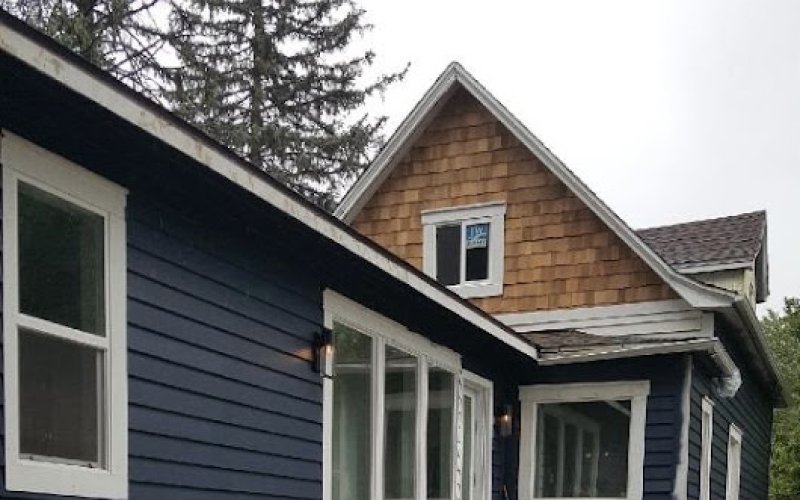
CO Construction & Demo, LLC
Construction company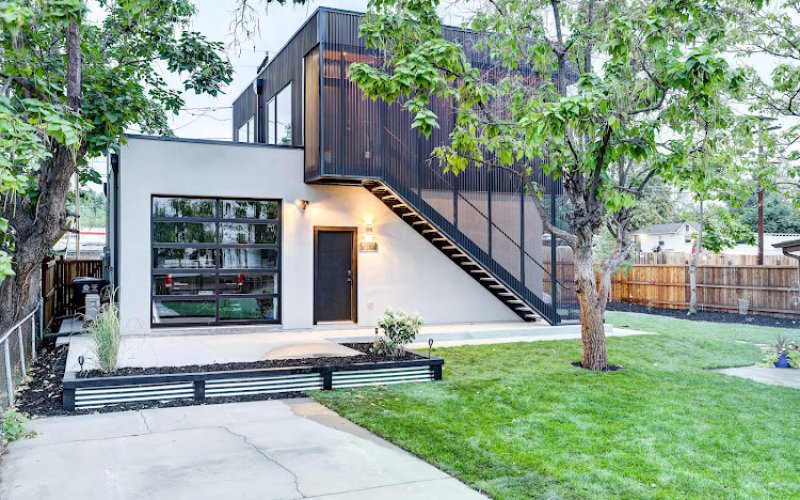
L&D Construction
General contractor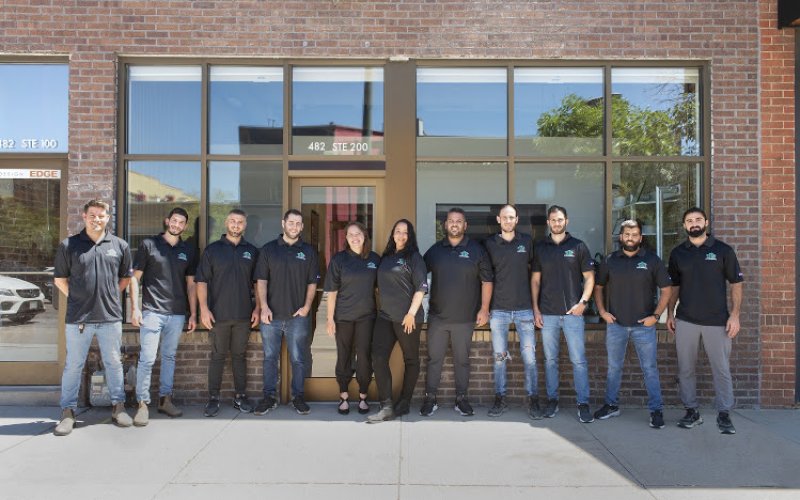
A2Z Builders
General contractor
Anderson Construction
General contractorConstruction company offering residential and commercial projects, as well as 24/7 emergency services.
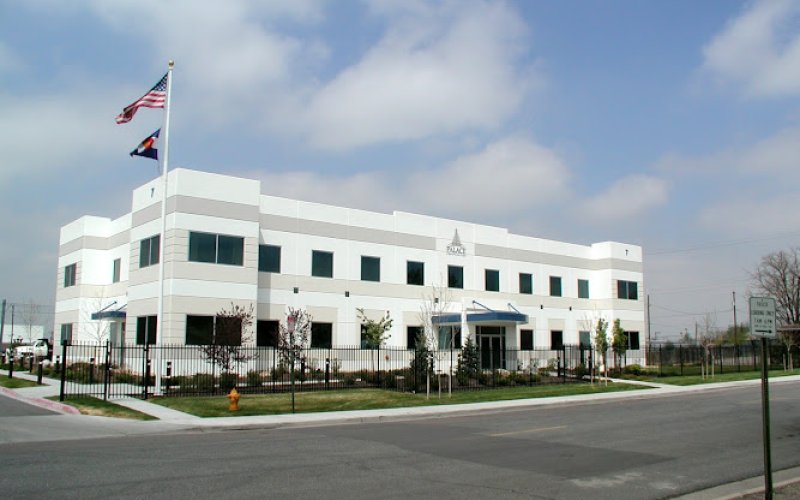
Palace Construction Co., Inc.
Construction companyAbout Contractors in Denver
Here's something that surprises transplants: a lot of Denver's contractor demand isn't about age or decay, it's about elevation and swing. A roof or a foundation here deals with a kind of freeze-thaw punishment that flatter, milder cities never see.
The contractor market in Denver covers a wide spread — general remodelers, roofers, foundation specialists, deck builders, folks who do additions and basement finishes. Some are one or two-person operations who've been doing this for decades. Others are bigger outfits with crews, project managers, the whole setup. That range matters because your experience with "a contractor" can vary wildly depending on which end of that spectrum you land on.
Demand tends to track a few predictable things: age and type of housing stock, weather events (hail is a big one out here), people refinancing or renovating instead of moving in a tight housing market, and just general wear from Denver's intense sun and temperature swings. None of that is exotic — it's the same stuff driving contractor demand in most Western cities — but the specifics of hail and altitude give it a local flavor.
Typical customers split into a few buckets: homeowners doing planned upgrades (kitchens, basements, decks), homeowners dealing with something reactive (storm damage, a failed water heater, a cracked driveway), and investors or landlords maintaining rental property. Denver's mix of older bungalow-style homes in the core and newer builds further out means contractors here often need to be comfortable working on both.
Highlands / LoHi
- Area Character: Older homes, a lot of them renovated or mid-renovation, walkable streets, strong mix of original bungalows and new infill construction.
- Contractors Relevance: Expect demand for remodels, additions, and work that respects older framing and foundations while updating systems.
- Good to Know: Older homes in this area sometimes have surprises behind the walls — outdated wiring or plumbing — so a contractor who's worked on similar-vintage houses nearby is worth more than one who hasn't.
Capitol Hill
- Area Character: Dense, historic, a lot of older multi-unit buildings and Victorian-era homes mixed with apartments.
- Contractors Relevance: Work here often involves historic-sensitive renovation, exterior repair, and dealing with tighter lots and street parking for crews.
- Good to Know: If a property's in a historic district, ask your contractor up front whether they've handled projects with those kinds of design restrictions before.
Stapleton / Central Park
- Area Character: Newer planned community, built out over the last couple decades, more uniform construction styles.
- Contractors Relevance: Newer homes mean less structural surprise, but you'll still see demand for finish-out work — basements, decks, and post-warranty repairs once builder warranties expire.
- Good to Know: Check if your home is still under a builder warranty before hiring outside — some repairs might be covered already.
Aurora (bordering Denver)
- Area Character: A broad mix of suburban housing ages and styles, generally more space per lot than the urban core.
- Contractors Relevance: Bigger yards mean more demand for exterior projects — fencing, decks, driveways — alongside standard interior work.
- Good to Know: Permitting and inspection timelines can differ slightly once you cross city lines, so confirm which jurisdiction your project falls under.
💰 What Drives the Price:
- Scope is the big one — a patch job and a full replacement aren't the same conversation, obviously, but the gap in cost logic is bigger than people expect.
- Materials matter a lot in a market with hail and UV exposure like Denver's — cheaper materials might not hold up the same way here as they would somewhere milder.
- Timing and contractor demand shift pricing too — booking during a busy season versus a slow one can change what you're quoted.
- Experience and overhead differ between a solo operator and a larger crew-based company, and that shows up in the number.
Honestly, the only reliable way to know real current pricing is to get multiple local quotes. Anyone giving you a firm number without seeing the property is guessing.
📈 General Patterns: Demand for most contractor work picks up in warmer months when weather cooperates and after storm season when repair needs spike. Timelines get affected by permit approval speed, material availability, and how backed up a contractor's crew already is.
- Get at least three quotes for anything beyond a small repair — the spread alone tells you a lot.
- Ask for an itemized breakdown, not just a lump number, so you can compare apples to apples across bids.
- Be upfront about your timeline — rush jobs often cost more, and it's better to know that going in than get surprised later.
A contractor who's actually worked in Denver understands things an out-of-towner won't — how the freeze-thaw cycle stresses foundations, how hail damage actually presents on different roofing materials, what older Denver bungalows tend to hide behind their walls. That's not marketing fluff, it's just accumulated local pattern recognition.
Local also means accountability. If something goes sideways six months after the job, a contractor with a real local presence and an actual address is a lot easier to hold to their word than someone who blew through town for storm season and left.
What This Means for You: Practically, this means you should weight "how long have you worked in Denver specifically" pretty heavily when comparing bids. It's not the only factor, but it's a meaningful one — and it's checkable, unlike a lot of sales talk.
- ☀️ Spring/Summer: Demand tends to climb as weather clears and people tackle projects they've been putting off — expect longer lead times.
- 🍂 Fall: Often a good window — summer rush has cooled off, and contractors may have more flexible scheduling before winter.
- ❄️ Winter: Interior projects (basements, remodels) often keep going, but exterior work slows since weather limits what can be done.
- 📅 Booking a few weeks to a couple months ahead generally helps you land the contractor you actually want, not just whoever's free.
Smart Timing Tips:
- ✓ If you can, schedule exterior work in shoulder seasons (spring or fall) rather than peak summer for better availability.
- ✓ Book storm-related repairs sooner rather than later — insurance-driven demand spikes fast after major hail events.
- ✓ Ask contractors directly what their current backlog looks like — a straight answer here tells you a lot about their honesty in general.
- ✓ Don't assume winter means no options — interior work is often easier to schedule when exterior demand drops off.
Credentials to Verify: Most general contracting work requires some form of state or local contractor licensing, and specialty trades (electrical, plumbing) usually need their own separate licenses. Check with Colorado's licensing board for the specific trade you're hiring for, and confirm the license is active, not just that they mention having one.
For reputation, don't just skim star ratings — read a chunk of actual reviews and look for patterns, not one-off complaints.
Questions to Ask:
- How long have you specifically operated in the Denver area?
- Can you provide references from recent local customers?
- Are you upfront about pricing, permits, and any add-on fees before work starts?
⚠️ General Red Flags for Contractors:
- Pressure to sign or pay in full before any real work has started.
- Reluctance to provide license info or local references when asked directly.
- Quotes that seem dramatically lower than everyone else's, with no clear explanation why.
- No written contract or scope of work — everything verbal, nothing documented.
Where to Check Complaints: Colorado's consumer protection or licensing office is a solid place to check for filed complaints. The BBB is another good source. And on Google or Yelp, watch less for one bad review and more for a repeated theme — missed deadlines, ignored calls, unfinished work.
✓ Established presence in Denver (not just passing through)
✓ Verifiable local reviews and references
✓ Transparent pricing, no hidden fees
✓ Clear process explained upfront
✓ Responsive communication
No proof of proper licensing or insurance when asked.
Unwillingness to put the scope of work and price in writing.
A pattern of unresolved complaints or unanswered reviews.
Vague or dodgy answers about timeline and who's actually doing the work (subcontractors vs. their own crew).
Check Reviews & Ratings
We recommend verifying businesses through trusted review platforms before making a decision.
Frequently Asked Questions
Popular Categories in Denver
Explore Other Cities
🔨 Contractors near Denver
Professional Categories in Denver, CO
Related Services from Similar Professionals