Your Honolulu, HI Contractors, Sorted and Ready
Aloha and welcome to the Honolulu Contractors directory! Whether you're renovating a beach bungalow or building your dream home, we've got the local pros ready to help you get it done right.

E I Electrical, Inc.
When you need maintenance, repair, replacement, or installation of an electrical meter, submeter, or check meter in Honolulu, HI, or a nearby area, look no further than our team at E I Electrical Inc. Since 1996, our small business has provided top-notch electrical meter services to homeowners and business owners in Honolulu and the surrounding areas. We operate with integrity and professionalism, and our electricians and customer service team always deliver an excellent experience.
📍 1430 A Liliha St, Honolulu, HI 96817
Map of Businesses in Honolulu
All Listings in Honolulu
9 businesses
Beyond Builders
Construction company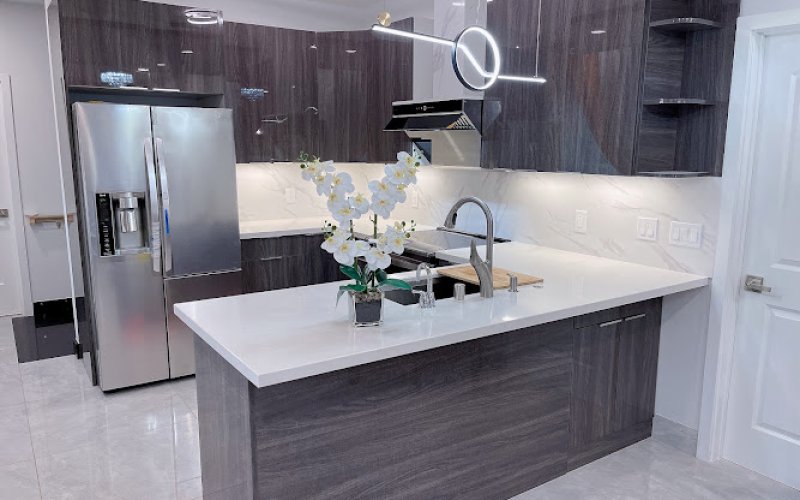
Diamond Head Construction LLC
Contractor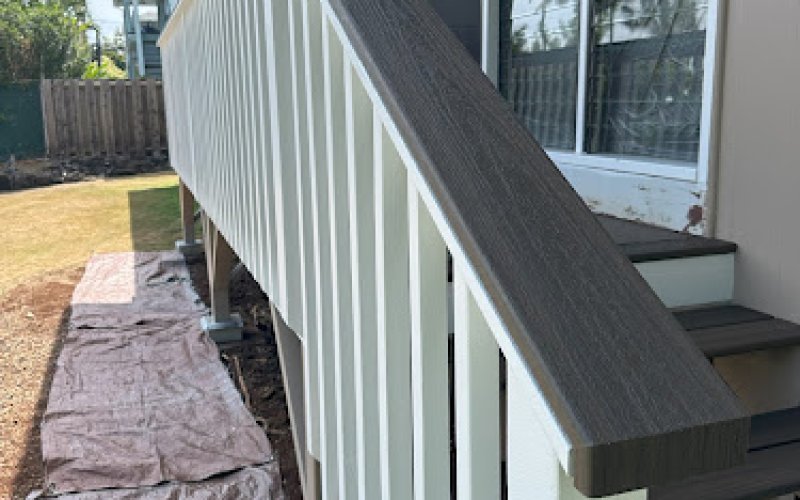
Hilweh Builders LLC
General contractor
Homeworks Construction, Inc.
General contractor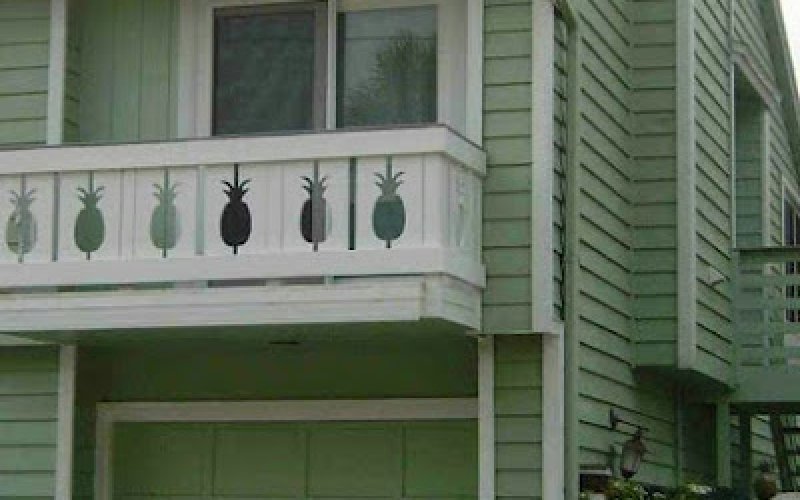
Solid Built Construction, Inc
Construction company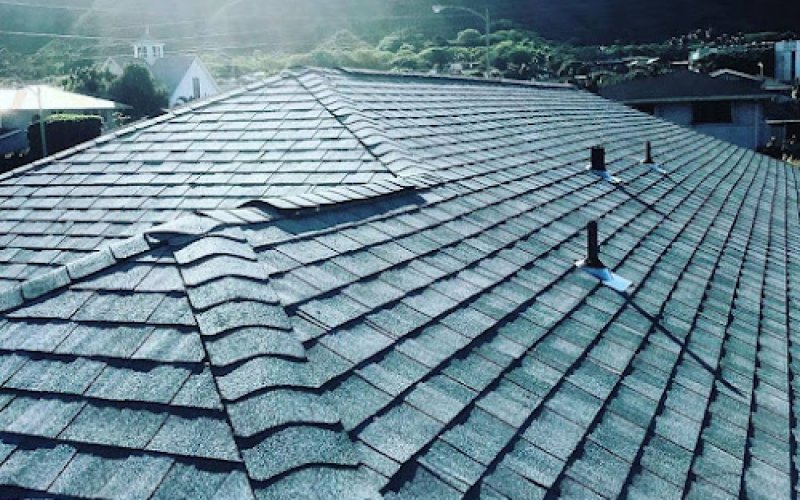
Ohana Construction, Inc.
General contractor
Tal Builders
Construction company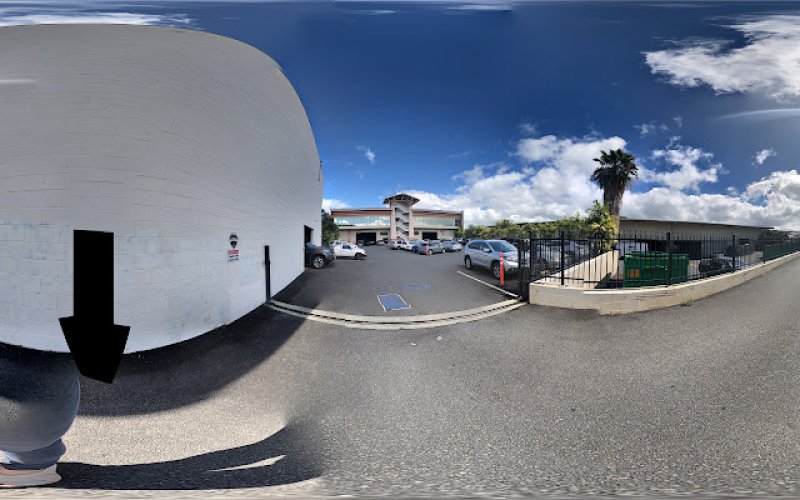
Nan Inc
Construction company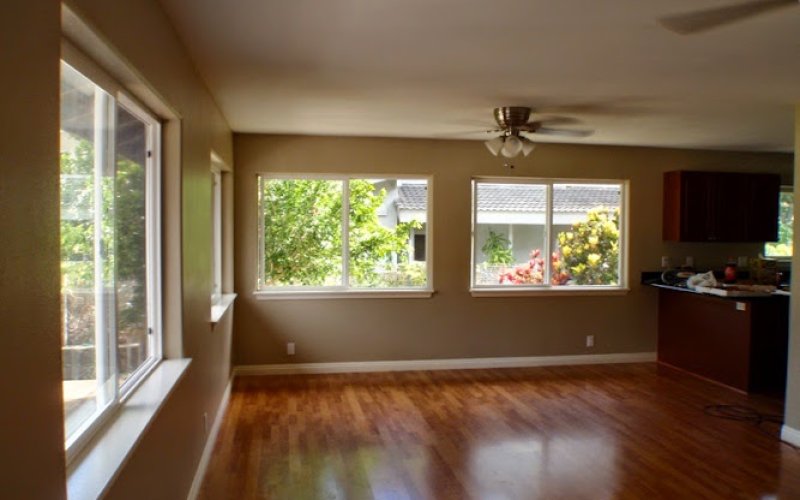
Atlas Construction Inc.
Construction companyAbout Contractors in Honolulu
Here's a number that should stop you scrolling: the average kitchen remodel permit filed in Honolulu County last year ran about $38,400 — nearly double what the same job cost in 2019, per building department filings. And that's before you factor in the guy who ghosted you after taking a 50% deposit (we'll get to that later).
Look, the contractor market here isn't like Phoenix or Nashville where you've got new subdivisions popping up every six months. Honolulu is landlocked — literally, mountains on one side, ocean on the other — so almost all contractor work is renovation, retrofit, or rebuild on existing housing stock, much of it 40-60 years old. That means specialized skills matter more here: termite damage repair, hurricane strapping, salt-air corrosion mitigation. You don't get that demand profile in Ohio.
Demand is being driven by three things right now. First, Oahu's population crept up just 0.4% last year (state DBEDT data) but household formation among people who already own is way up — folks aging in place, adding ADUs (accessory dwelling units) to help with the housing crunch. Second, insurance-driven reroofing after the 2023 wind events pushed roofing contractors into 4-6 month backlogs. Third — and this is the quiet one — the Lahaina fires shifted labor. A chunk of Maui-based crews picked up Oahu contracts because clients couldn't wait. That's tightened the skilled trades pool islandwide. With roughly 380 licensed general contractors operating in the Honolulu metro (per HI DCCA licensing counts), and maybe 40 of them doing consistent, high-volume residential work, you're not exactly swimming in options when you need someone fast.
Kaimuki
- Area Profile: Older bungalow-heavy neighborhood, mixed income, lots of multi-generational households near Waialae Ave.
- Contractors Activity: Heavy demand for foundation leveling and single-wall construction upgrades — these 1940s plantation-era homes need structural love.
- Price Range: $15,000–$60,000 for structural/foundation work.
- Local Note: Old-timers here still hire word-of-mouth — half the good contractors in Kaimuki don't even advertise.
Kailua
- Area Profile: Higher income, beach-adjacent, lots of vacation-rental-turned-full-time owners since remote work took off.
- Contractors Activity: Full home renovations, hurricane-rated window installs, elevated deck builds.
- Price Range: $80,000–$250,000+ for full remodels.
- Local Note: Salt air chews through cheap materials fast — contractors who don't spec marine-grade fasteners get called back within two years, guaranteed.
Kalihi
- Area Profile: Working-class, dense, largest concentration of multi-family and plantation-style homes on Oahu.
- Contractors Activity: Budget-conscious repairs — plumbing, electrical upgrades to meet code, ADU conversions for extra rental income.
- Price Range: $8,000–$35,000 typical project.
- Local Note: This is ground zero for ADU permit applications right now — the city's been pushing incentives here since 2022.
📊 Current Price Points:
- Budget options: $5,000-$20,000 (small repairs, bathroom refresh, single-room work)
- Mid-range: $30,000-$90,000 (kitchen remodels, ADU builds, most common segment)
- Premium: $150,000+ (full home rebuilds, luxury Kailua/Lanikai remodels)
📈 Market Trends: Demand is up roughly 12% year-over-year according to permit filing volume through the Department of Planning and Permitting. Supply of licensed, available contractors hasn't kept pace — labor availability is actually down slightly because of that Maui crew migration I mentioned. Pricing is climbing about 6-8% annually right now, driven mostly by material shipping costs (everything comes on a boat, remember) and insurance-driven demand spikes after storm seasons. Average project timeline from signed contract to completion sits around 4.5 months for mid-range work — up from about 3 months pre-2020.
💰 What People Are Spending On:
- Roof replacement/repair — average $28,000
- ADU construction — average $95,000
- Kitchen remodels — average $42,000
- Bathroom renovations — average $19,500
- Storm/hurricane retrofitting — average $14,000
Economic Indicators: Oahu's population sits around 1.01 million, basically flat, but median household income has climbed to about $94,000 — nearly $20K above the national median. Tourism and military (Pearl Harbor-Hickam is a massive employer) anchor the economy, but construction and trades employ over 34,000 people statewide per DLIR data. Big development projects — the ongoing Kapolei "second city" build-out and continued Ala Moana-area high rises — are pulling commercial contractors away from residential work, which is part of why homeowners feel like they're competing for attention.
Local Market Dynamics: Contractor demand here isn't discretionary the way it might be in, say, Denver. Homes get damaged by wind, salt, and termites whether you want to spend the money or not. That baseline demand keeps the market steady even when the broader economy wobbles. Competition is fragmented — no single company dominates, though a handful of firms with 20+ years on the island (you'll recognize the names if you've lived here a while) get first pick of the best jobs through referral networks alone.
How This Affects Buyers: Practically, this means booking 2-4 months out for anything beyond an emergency repair is now normal. I've seen homeowners in Manoa wait until October to even get a bid appointment for a job they wanted done in June.
Honolulu Seasonal Patterns:
- ☀️ Spring/Summer: Peak demand, contractors booked solid, expect premium pricing and longer waits.
- 🍂 Fall: Slight lull after summer rush — best window for negotiating on non-urgent projects.
- ❄️ Winter (Nov-Jan): Storm season creates emergency-driven demand spikes for roofing/waterproofing specifically, even as general remodel work slows down.
- 📅 Peak months: March through August. Negotiate hardest in October and November.
Timing Tips for Honolulu: Contractors' schedules loosen up right after the holidays, so early-to-mid January is a sweet spot for getting bids answered quickly. Hurricane season (June-November) means roofing and structural contractors get slammed the second a storm warning drops — don't wait until a named storm is forecast to fix that soft spot on your roof.
Smart Timing Tips:
✓ Book your consultation 3-4 months before you actually want work started
✓ Get bids in October/November for spring projects — pricing tends to be softer
✓ Avoid scheduling major work June-August unless it's emergency repair
✓ Ask about material lead times upfront — shipping delays add 2-6 weeks routinely
Credentials to Verify: Every legitimate contractor here needs a license through the Hawaii Department of Commerce and Consumer Affairs, Contractors License Board (DCCA CLB). You can look up license status directly on their portal — do this, it takes five minutes. Look for a "C" or "B" classification depending on scope. Membership in the Building Industry Association of Hawaii is a decent secondary signal, not mandatory but shows they're plugged into the local trade community.
Questions to Ask: How long have they actually operated on Oahu specifically (not just "Hawaii" — Big Island contractors sometimes take Oahu jobs and that's a red flag for availability). Ask for three local references from the last year, not five-year-old ones. And get pricing broken down in writing — labor, materials, permit fees, separately.
⚠️ Red Flags Specific to Honolulu Contractors:
- Contractors who show up right after a storm knocking door-to-door — the "storm chaser" pattern is real here, especially post-hurricane season
- Demanding more than 30-40% deposit upfront (state law limits this for a reason)
- No physical Oahu address or only a P.O. box
- Pressure to skip the permit process "to save time" — this bites you later when you sell
Where to Check Complaints: Start with the DCCA Regulated Industries Complaints Office — they track licensed contractor disputes. Cross-reference with BBB Hawaii and look at Google reviews for patterns, not one-offs (one bad review means little, five saying the same thing about no-shows means everything).
✓ Established presence in Honolulu (not just passing through)
✓ Verifiable local reviews and references
✓ Transparent pricing, no hidden fees
✓ Clear process explained upfront
✓ Responsive communication
Check Reviews & Ratings
We recommend verifying businesses through trusted review platforms before making a decision.
Frequently Asked Questions
Popular Categories in Honolulu
Explore Other Cities
Professional Categories in Honolulu, HI
Related Services from Similar Professionals