Need Contractors in Reading? Find Your Local Pro Now
Welcome to the Reading, PA Contractors Directory! Whether you're tackling a home reno or need a pro for a quick fix, you'll find local, reliable contractors right here in your neighborhood.
Map of Businesses in Reading
All Listings in Reading
20 businesses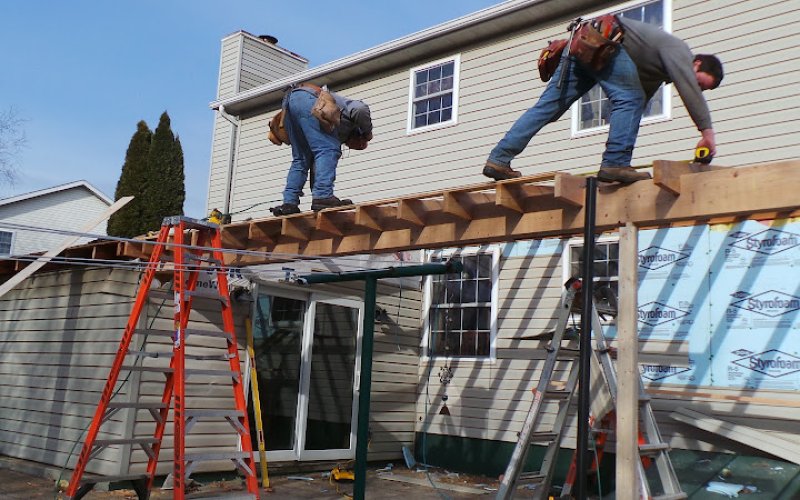
Berks Commercial Renovations, Ltd.
Remodeler
Bodden Construction
Construction company
Burkey Construction
Construction company
C. Brennan Construction Inc.
General contractor
Diaz Construction LLC
General contractor
Kozlowski T A Building Contractor
General contractor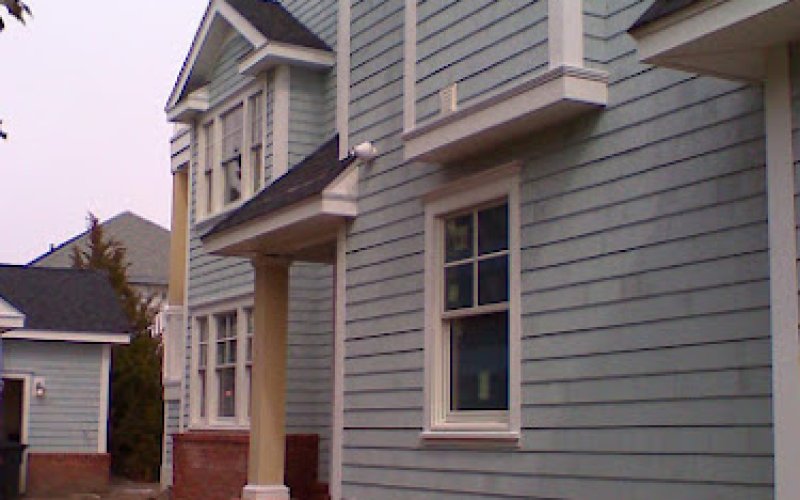
Paramount Residential Contracting
Contractor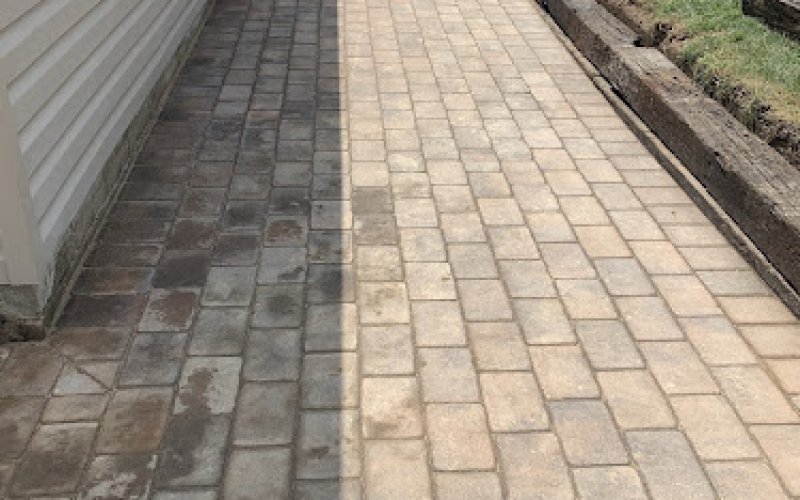
Weikel Construction LLC
Construction company
EL REAL COMPANY
General contractor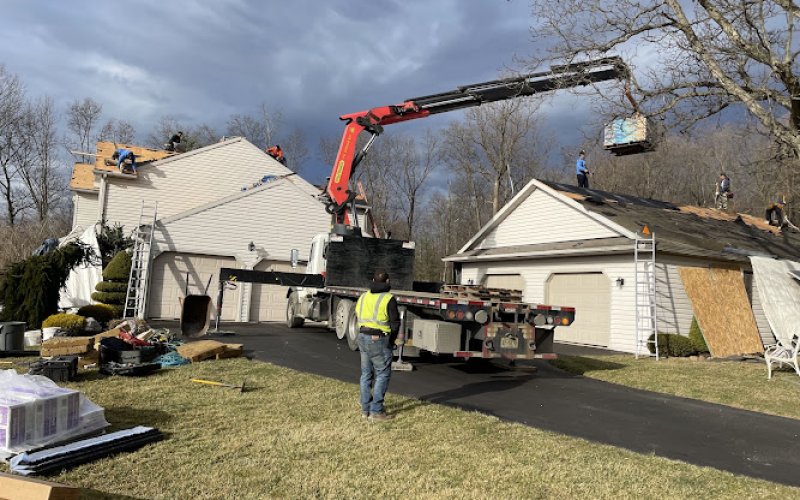
The Helping Company, LLC
General contractor
Breyer Construction & Landscape, LLC.
Deck builder
HW Building and Remodeling LLC
Roofing contractor
Top Knotch Construction
Contractor
Ordonez Masonry Contractors LLC
Masonry contractor
D&B Construction
General contractor
The Go 2 Guys of Reading, LLC.
Construction company
Dolan Construction Inc
Construction company
Ciatto Construction Company
Construction company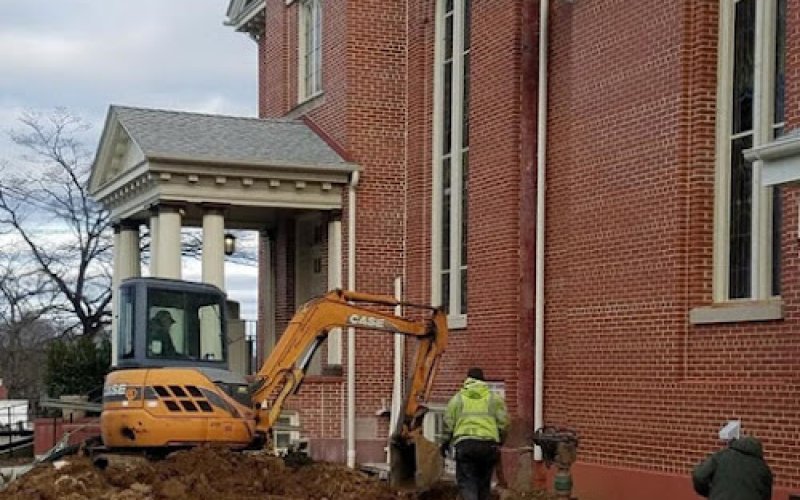
Uhrig Construction, Inc
Construction company
Perrotto Builders, LTD
Construction companyAbout Contractors in Reading
Reading is a rowhouse city. Block after block of brick, many built a century or more ago, and almost every one of them eventually needs somebody who knows what's hiding behind the plaster.
That's the backbone of the Contractors market here. Older housing stock means steady demand for roofing, masonry, plumbing updates, electrical upgrades, and the kind of repairs that start small and grow once the walls come open. New construction exists, but it's a smaller slice of the picture.
The market feels fragmented. You'll find one-truck operations working out of a pickup, family outfits that have been around for decades, and mid-sized remodelers who handle bigger scopes. Quality swings widely across that range, which is exactly why vetting matters so much (more on that below).
Customers tend to fall into a few camps: owner-occupants fixing what's failing, landlords keeping rentals up to code, and buyers who just closed on a fixer-upper and are staring at a punch list. Winters here are cold and freeze-thaw cycles are hard on masonry and roofs, so a lot of work is driven by what the weather did to the building.
📍 Center City / Downtown Reading
- Area Profile: Dense urban core with older commercial buildings, converted upper floors, and rowhomes. Plenty of renters, plenty of investor-owned property.
- Contractors Activity: Commercial build-outs, apartment unit turnovers, façade and masonry repair, and code-driven upgrades.
- Price Range: Small repairs often run a few hundred to a few thousand dollars. Unit renovations commonly land in the $10,000–$40,000 range depending on scope.
- Local Note: Older, tight-lot buildings can mean limited access and extra permitting attention. Ask any contractor how they handle staging and deliveries on narrow streets.
📍 Centre Park Historic District
- Area Profile: One of Reading's best-known historic neighborhoods, with large, ornate Victorian-era homes and a strong preservation culture.
- Contractors Activity: Restoration carpentry, historic window work, porches, slate and specialty roofing, plaster repair.
- Price Range: Often higher than the city norm. Restoration-minded projects can run from the low five figures into six figures for whole-house work.
- Local Note: Historic district rules can shape what materials and exterior changes are allowed. Confirm requirements before ordering anything.
📍 Southwest Reading & the Mount Penn / Northeast Edges
- Area Profile: More residential feel, with a mix of rowhomes, twins, and detached houses. Mostly owner-occupied in pockets.
- Contractors Activity: Roof replacements, basement waterproofing, kitchen and bath updates, siding, driveways.
- Price Range: Mid-range jobs commonly fall between $5,000 and $30,000.
- Local Note: Hillside lots mean drainage and grading problems show up often. Water in the basement is a recurring theme.
📊 Current Price Points:
- Budget options: roughly $300–$5,000 (small repairs, patching, minor fixture swaps)
- Mid-range: roughly $5,000–$35,000 (the most popular segment, with typical remodels and replacements)
- Premium: $35,000+ (large renovations, additions, custom work)
These are ballparks. Scope, access, and the surprises behind the walls move the number more than anything.
📈 Market Trends:
- → Demand tends to stay steady, with a seasonal bump in spring and summer
- → Materials and labor costs have generally trended upward over recent years, and it's reasonable to expect that pressure to continue
- → Exterior work clusters between spring and early fall
- → Well-regarded contractors often book out several weeks to a few months, longer for big remodels
💰 What People Are Spending:
- Roof replacement: typically $8,000–$20,000
- Kitchen remodel: commonly $15,000–$50,000
- Bathroom update: often $7,000–$25,000
- Basement waterproofing or drainage: a common range is $3,000–$12,000
- Masonry and repointing: from $1,500 for spot work to $10,000+ for larger runs
- Electrical panel or service upgrade: usually $2,000–$6,000
Economic Indicators:
- Reading is the seat of Berks County and has long been a working-class, manufacturing-rooted city, now leaning on healthcare, logistics, and services
- Housing stock skews old, which keeps maintenance demand constant
- Incomes in the city proper tend to run lower than in the surrounding suburbs, so budgets differ a lot by area
Local Market Dynamics:
Old buildings plus harsh winters equals perpetual repair work. That's the engine. Competition is fragmented, so price and quality vary a lot from one bid to the next.
Home sales also trigger a wave of projects. Inspection findings, buyer punch lists, and landlord turnovers all feed steady work.
How This Affects Customers:
Get more than one bid and compare scope line by line, not just the bottom number. A low quote on a rowhouse with unknown conditions often grows through change orders.
Budget a cushion. In older homes, setting aside 10–20% for surprises is a common rule of thumb.
Reading Seasonal Patterns:
- ☀️ Spring/Summer: peak demand, especially roofing, siding, masonry, and decks. Schedules fill fast.
- 🍂 Fall: still busy, but contractors often want to finish exterior work before the cold hits. Sometimes a good window for negotiating.
- ❄️ Winter: exterior work slows, interior projects (kitchens, baths, basements) become easier to schedule, and some contractors get more flexible.
- 📅 Peak months: book early for spring work, ideally in late winter
Timing Tips for Reading:
For non-urgent projects, late winter planning and early spring starts are the sweet spot. Frozen ground and snow cut into exterior work, and freeze-thaw cycles expose problems that were hidden in summer.
Demand spikes after storms. If a roof is leaking, you'll be competing with everyone else, so expect delays.
Smart Timing Tips:
- ✓ Get estimates in winter for spring jobs
- ✓ Schedule interior remodels during the slower cold months
- ✓ Address small leaks and drainage issues before they become emergencies
- ✓ Ask about lead times upfront, since good contractors are rarely available this week
Credentials to Verify:
- Pennsylvania has a state registration system for home improvement contractors, so ask for their registration number and verify it
- General liability insurance, with a certificate sent directly from the insurer
- Workers' comp coverage if they have employees
- Trade licenses where the work requires them (electrical and plumbing are often handled at the local level, so check with the city or township)
Real affiliations, like a local builders' association or manufacturer certifications, can signal legitimacy, but they're not a substitute for checking insurance and registration yourself.
Questions to Ask:
- How long have you worked in Reading and Berks County?
- Can I contact recent local customers?
- How do you handle change orders and what's your warranty?
⚠️ Red Flags Specific to Reading Contractors:
- Demands a large upfront payment, well beyond a modest deposit
- Pressure to sign immediately, especially after a storm
- No written contract or vague scope
- Can't or won't show proof of insurance or registration
Where to Check Complaints:
- Pennsylvania's Office of Attorney General consumer protection division, which also handles contractor registration
- Better Business Bureau
- Google and Yelp: look for patterns, not one-off rants. Consistent complaints about no-shows or abandoned jobs are the ones that matter.
✓ Established presence in Reading, not just passing through
✓ Verifiable local reviews and references
✓ Transparent pricing, no hidden fees
✓ Clear process explained upfront
✓ Responsive communication
Refuses to provide a written contract
Won't pull permits when they're required
Asks for full payment before work begins
Can't show valid insurance
Check Reviews & Ratings
We recommend verifying businesses through trusted review platforms before making a decision.
Frequently Asked Questions
Popular Categories in Reading
Explore Other Cities
🔨 Contractors near Reading
Professional Categories in Reading, PA
Related Services from Similar Professionals