Your Washington, DC Contractors, Sorted and Ready
Welcome to the Washington, DC Contractors Directory! Whether you're renovating a kitchen or building something from scratch, we've got trusted local pros ready to help you get the job done right.
Map of Businesses in Washington
All Listings in Washington
10 businesses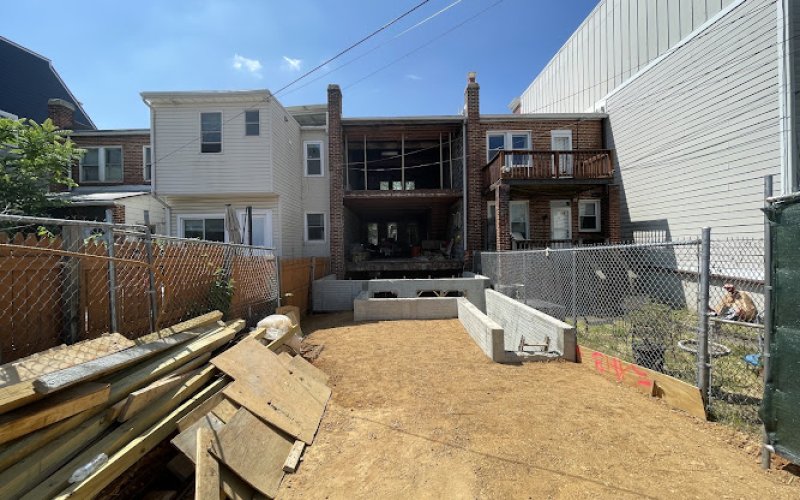
BBCDC Construction Building Science & Renovation Washington, DC General Contractors
Construction company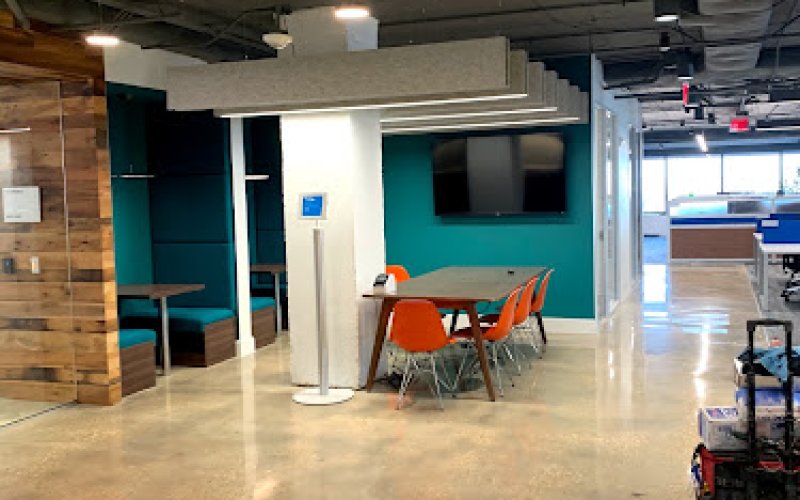
ColorTech Building Renovation LLC
General contractor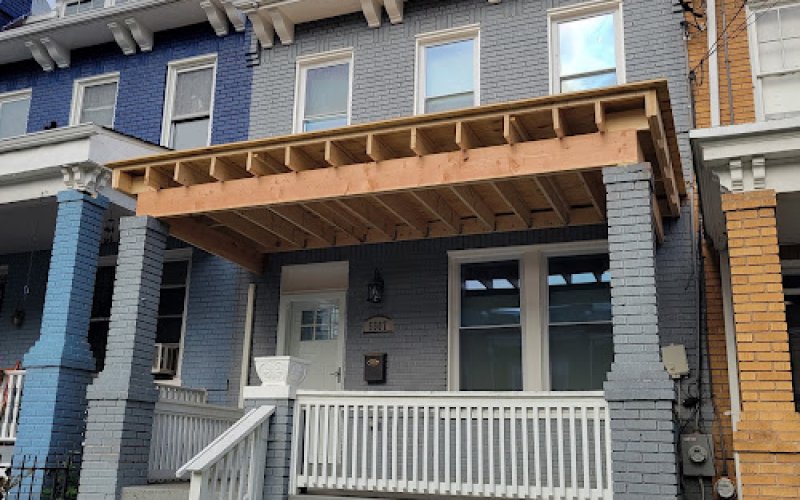
GR Contractors LLC/ DC General Contractor/ Home Remodel.
General contractor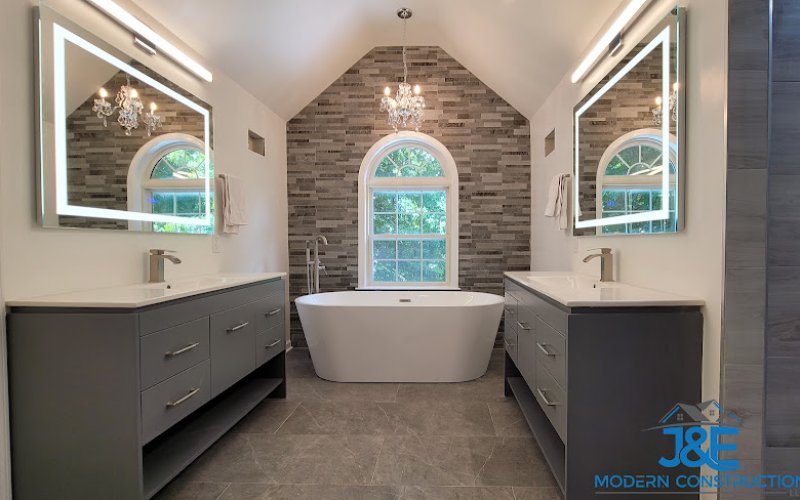
J&E Modern Construction LLC
General contractor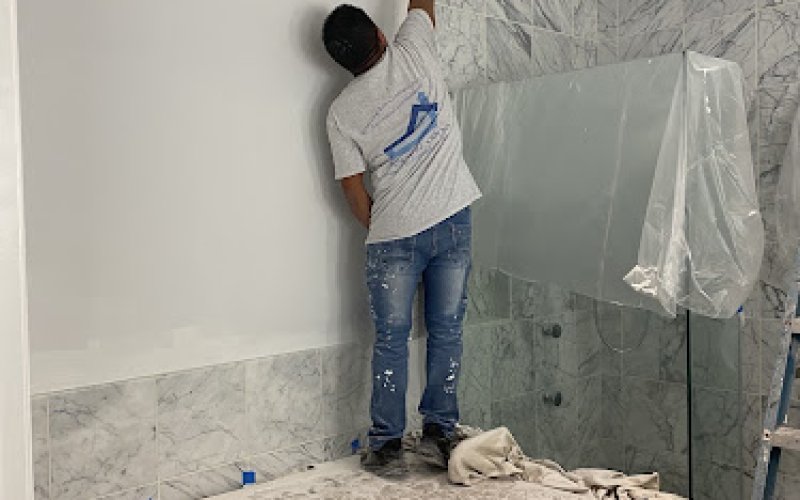
Noaman & Son Construction LLC
General contractor
Remodel Washington DC
Remodeler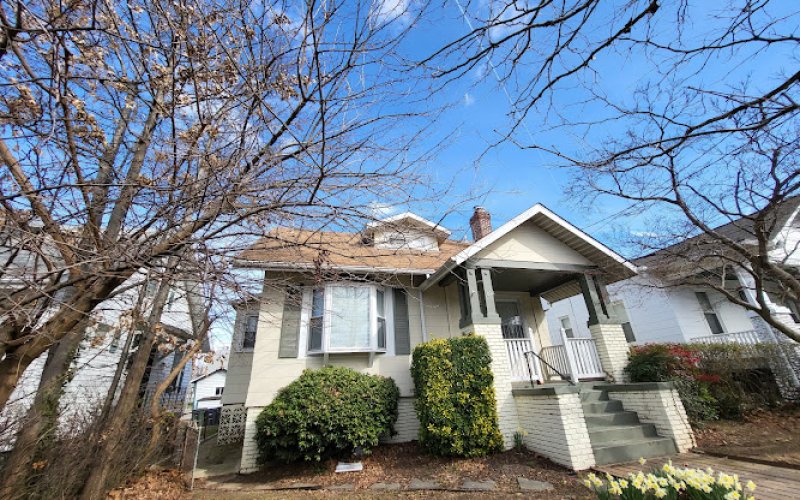
The DC Contractor
General contractor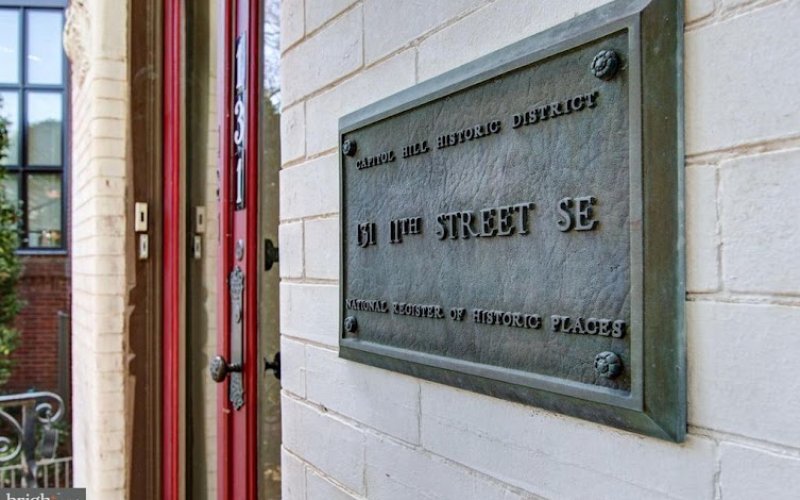
Keil Construction Inc
General contractor
ATRIUN CONSTRUCTION LLC
General contractor
Integrity Roofing And Repair LLC
General contractorIntegrity Roofing and Repair LLC is a family-owned and operated roofing contractor serving homeowners and businesses throughout Eastern Washington and North Idaho. With more than 30 years of roofing industry experience, the company provides residential roofing, commercial roofing, metal roofing, roof repair, roof replacement, roof tear-offs, leak repair, inspections and new roof installations. Integrity Roofing and Repair is licensed, bonded and insured in both Washington and Idaho and is committed to honest recommendations, transparent estimates and dependable workmanship. The company serves communities throughout the Inland Northwest, including Spokane, Spokane Valley, Liberty Lake, Airway Heights, Cheney, Mead, Deer Park, Post Falls, Coeur d'Alene, Hayden, Rathdrum and surrounding areas. Whether a property needs a minor roof repair or a complete replacement, Integrity Roofing and Repair focuses on durable roofing solutions designed for the snow, wind, moisture and seasonal temperature changes common throughout the Inland Northwest.
About Contractors in Washington
Here's something odd about DC: half the "houses" here are over a century old and protected by historic district rules, while the other half are federal-adjacent developments built to code standards that change every time a new administration blinks. Contractors working here have to fluently speak both languages.
The general contracting market in a city like Washington tends to be shaped by its housing stock as much as anything else. You've got rowhouses in Capitol Hill with original brick and plaster from the 1900s sitting a few miles from glassy new condo builds near Navy Yard. That split alone creates two very different customer bases — restoration-minded homeowners and renovation-minded newcomers — and most contractors end up specializing in one lane or straddling both.
Demand generally moves with the usual suspects: people buying older homes and needing them brought up to modern livability, people renovating kitchens and bathrooms because that's still the highest-return move, and landlords maintaining rental stock in a city where a huge share of residents rent rather than own. Add in DC's rowhouse density, which means shared walls, tight lots, and permitting quirks that suburban contractors sometimes aren't used to.
Typical customers range from young professionals buying their first rowhouse fixer-upper, to longtime residents in neighborhoods like Petworth or Anacostia maintaining family homes, to property managers handling multi-unit buildings. Federal workers and embassy staff cycle in and out on relocation timelines too, which creates its own steady trickle of "get this done before I move" projects.
Capitol Hill
- Area Character: Historic rowhouses, tree-lined streets, a mix of longtime owners and newer buyers restoring older properties.
- Contractors Relevance: Heavy demand for restoration-sensitive work — plaster repair, window restoration, additions that respect historic exteriors.
- Good to Know: If the home is in a historic district, exterior changes usually need extra review, so ask your contractor upfront whether they've handled that process before.
Georgetown
- Area Character: Older, established, some of the priciest real estate in the city, cobblestone streets and strict aesthetic expectations.
- Contractors Relevance: High-end renovation and maintenance work, often with tight logistical constraints — narrow streets, limited parking for crews and material delivery.
- Good to Know: Factor in that street access alone can slow a project down here; ask contractors how they plan around it before assuming a quoted timeline holds.
Petworth / Columbia Heights
- Area Character: Rowhouse-dense, a real mix of long-term residents and newer arrivals, ongoing turnover as homes change hands and get updated.
- Contractors Relevance: Kitchen and bath remodels, basement conversions (sometimes for rental income), general modernization of older housing stock.
- Good to Know: Basement work often runs into moisture and drainage issues typical of older DC construction — worth asking a contractor directly how they'll handle it rather than assuming it's a non-issue.
💰 What Drives the Price:
- Scope and complexity — a full kitchen gut costs differently than a single repair, obviously, but so does whether walls are load-bearing, whether plumbing has to move, and how old the underlying systems are.
- Materials and finish level — this swings costs more than almost anything else, and it's entirely your choice.
- Timing and contractor demand — a crew booked solid in peak season prices differently than one with open weeks.
- Getting multiple local quotes is genuinely the only reliable way to know what things cost right now, because pricing shifts with material costs, labor availability, and even fuel prices in ways no article can predict for you.
📈 General Patterns:
Demand for most contracting work tends to rise in warmer months when exterior projects and additions become practical again, and tapers some in deep winter — though interior remodels often keep going year-round regardless of weather. Timelines get affected by permit review, material lead times, and honestly, by how decisive the homeowner is about finishes.
- Get at least three quotes for anything beyond a small repair — not to nickel-and-dime, but because the spread tells you a lot about scope disagreements you didn't know existed.
- Ask for a written scope of work, not just a number. A price without a defined scope is basically a guess.
- Be honest about your budget early. Good contractors can suggest alternatives that hit your number instead of just disappearing after a quote that's too high.
Local contractors know DC's rowhouse quirks — shared party walls, narrow lots, alley access, older electrical panels that weren't built for modern loads. That's not abstract knowledge. It changes how a job actually gets planned and priced.
They also tend to know DC's permitting process better than an out-of-town crew would, which matters more here than in a lot of cities given how much of the housing stock sits in historic districts or has other review requirements.
What This Means for You: A contractor with real DC experience is less likely to hit surprise costs mid-project because they've seen the same wiring, plumbing, and structural patterns before. And if something goes sideways after the job's done, a local business with an actual local reputation is a lot easier to hold accountable than someone who drove in from out of state.
General Seasonal Patterns:
- ☀️ Spring/Summer: Demand typically climbs — exterior work, additions, and bigger projects become more practical, and contractors' calendars fill faster.
- 🍂 Fall: Often a sweet spot — summer rush cools off but weather is still workable for most projects.
- ❄️ Winter: Exterior work slows, but interior remodels (kitchens, baths, basements) often continue steadily since weather isn't a factor indoors.
- 📅 Booking a few months ahead helps most for anything requiring permits or historic review — those processes have their own timelines separate from the actual construction.
Smart Timing Tips:
- ✓ Book in late winter for spring projects — you'll beat the seasonal rush and often get more attentive scheduling.
- ✓ If your project needs historic district approval, start that process well before you expect work to begin.
- ✓ Ask contractors directly about their current backlog — a busy calendar isn't a bad sign, but it does affect your start date.
- ✓ Don't rush winter interior work just because it's "off season" — get the same number of quotes you'd get any other time.
Credentials to Verify:
- A valid contractor's license appropriate to the scope of work — check with DC's licensing board for this trade to confirm current status.
- Proof of liability insurance and, if they have employees, workers' comp coverage.
- Reputation in practice means reading recent reviews (not just star averages) and looking for patterns in complaints, not one-off gripes.
Questions to Ask:
- How long have you worked in DC specifically, and what neighborhoods do you know best?
- Can you provide references from local jobs similar in scope to mine?
- How do you handle pricing changes if unexpected issues come up mid-project?
⚠️ General Red Flags for Contractors:
- Demanding full payment upfront before any work begins.
- No written contract or vague scope of work.
- Reluctance to provide license or insurance info when asked directly.
- Pressure to decide immediately, especially with "today only" pricing.
Where to Check Complaints: Your state's relevant licensing and consumer protection office is the first stop, alongside the BBB. On Google and Yelp, watch less for a low star average and more for repeated themes — no-shows, unfinished work, or unresponsive follow-up — since those patterns tell you more than any single bad review.
✓ Established presence in Washington (not just passing through)
✓ Verifiable local reviews and references
✓ Transparent pricing, no hidden fees
✓ Clear process explained upfront
✓ Responsive communication
Check Reviews & Ratings
We recommend verifying businesses through trusted review platforms before making a decision.
Frequently Asked Questions
Popular Categories in Washington
Explore Other Cities
Professional Categories in Washington, DC
Related Services from Similar Professionals