Top-Rated Contractors Serving Minneapolis, MN
Welcome to the Minneapolis contractors directory, your go-to spot for finding solid, reliable pros for whatever project you've got going on. Whether it's a kitchen remodel or a leaky roof, we've got local folks ready to help you get it done right.
Map of Businesses in Minneapolis
All Listings in Minneapolis
8 businesses
Grizzly Construction
Construction company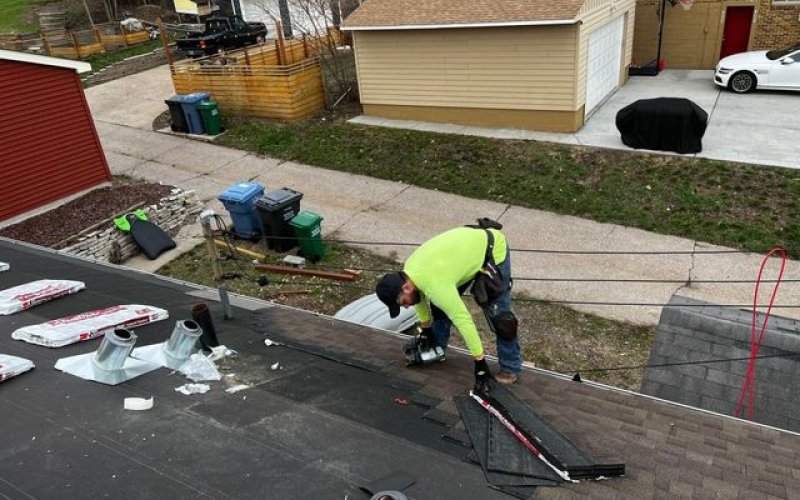
KNM MN MX Construction, LLC
General contractor
MSP Contractors
Contractor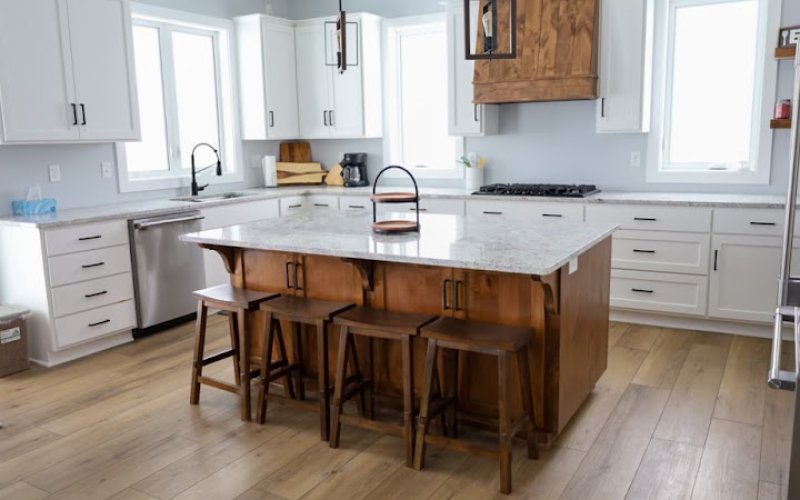
Complete Construction of Mpls
Construction company
Muse Remodeling
Construction company
Snap Construction
Insulation contractor
Elysian Construction
Construction company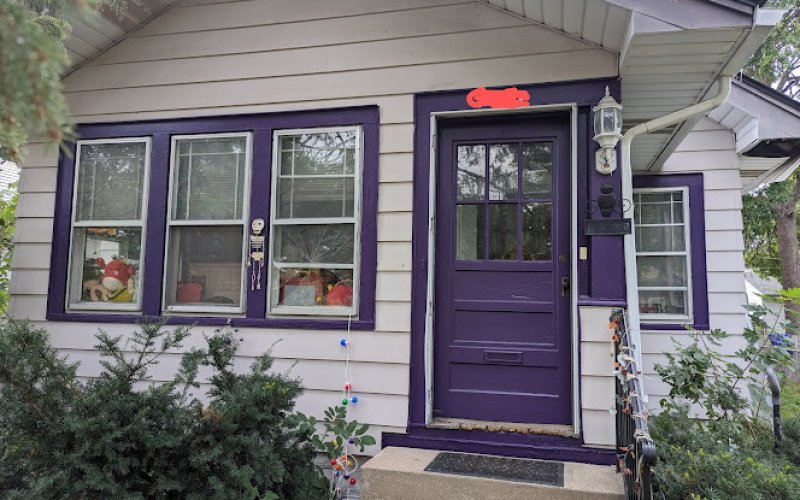
BPM Contracting Inc.
ContractorAbout Contractors in Minneapolis
Here's something most people don't think about: a house built to handle a Minneapolis winter is basically a different animal than one built for, say, Phoenix. That reality shapes almost every contractor conversation in this city, whether you realize it or not.
The contractor market here runs on a mix of old housing stock and serious weather extremes. You've got a lot of homes in Minneapolis that are 60, 80, even 100+ years old, sitting alongside newer builds and renovated multi-family units. That combination — aging infrastructure plus brutal freeze-thaw cycles — keeps demand pretty steady for everything from roofing and foundation work to HVAC and general remodeling.
Demand generally gets driven by three things: weather damage (ice dams, frozen pipes, roof stress are not hypothetical here), home age (older homes need more ongoing work, period), and just normal life stuff — people buying homes, renovating kitchens, finishing basements. Nothing exotic. It's the same drivers you'd see in most northern cities, just turned up a notch because of the climate.
Typical customers split into a few buckets: homeowners dealing with an emergency repair, homeowners doing planned renovation projects, and property investors or landlords maintaining rental units. Minneapolis also has a strong current of people who bought older homes specifically because they're charming — and then discover charming often means "needs work."
Downtown & North Loop
- Area Character: Dense, urban, lots of converted warehouses and newer condo/apartment construction mixed with commercial space.
- Contractors Relevance: Interior remodels, commercial buildout work, and specialty trades for high-rise or converted-loft units tend to matter more here than, say, roofing.
- Good to Know: Building access and parking restrictions can complicate contractor logistics — ask upfront how they handle loading and permits in dense buildings.
Southwest Minneapolis (Linden Hills, Kenwood, Kingfield)
- Area Character: Established, leafy residential neighborhoods with a lot of older single-family homes, some quite historic.
- Contractors Relevance: Expect demand for roof work, foundation and basement projects, window replacement, and kitchen/bath remodels tied to older housing stock.
- Good to Know: Older homes here sometimes have knob-and-tube wiring or original plumbing — worth asking a contractor directly if they've handled similar vintage homes.
Northeast Minneapolis
- Area Character: A mix of working-class housing stock, artist studios, and a wave of newer infill development — a neighborhood in genuine transition.
- Contractors Relevance: Good market for both renovation contractors updating older bungalows and new-construction trades working on infill lots.
- Good to Know: Because it's a mix of old and new construction, get very specific about what era of building the contractor has experience with.
💰 What Drives the Price:
- Scope of work matters more than almost anything else — a full gut renovation prices completely differently than a patch repair, obviously, but people underestimate how much "small" jobs can balloon once a contractor opens a wall.
- Material choice swings cost a lot. Standard-grade materials versus premium finishes can be the difference between two totally different budgets for the "same" project.
- Contractor experience and demand for their time — busy, well-reviewed contractors often charge more, and there's usually a reason they're busy.
- Getting multiple local quotes is genuinely the only reliable way to know what something costs right now, in this market, with current material prices. Anyone quoting you a number without seeing the job is guessing.
📈 General Patterns:
Demand for most exterior and structural work tends to climb in warmer months, when weather actually allows the work to happen safely. Interior projects — kitchens, basements, remodels — spread more evenly across the year, though winter can bring a slight bump from people stuck inside staring at their kitchen thinking "I hate this."
Timelines get affected by weather delays (a big one here), permit processing, material availability, and honestly just how backed up a given contractor's schedule is. Good contractors are often booked out — that's usually a sign of quality, not a red flag.
- Get at least three quotes for anything beyond a minor repair — this alone tells you more about fair pricing than any online estimate tool.
- Ask for an itemized quote, not just a lump number. It makes comparing bids actually possible.
- Be upfront about your full scope and budget range early — vague requests get vague, inflated quotes.
Why Local Providers Have an Edge:
A contractor who's worked in Minneapolis for years already knows how local frost depth affects foundations, how ice dams form on certain roof pitches, and which older neighborhoods tend to have specific plumbing or electrical quirks. That's not something you can fake with a general contracting background from somewhere warm.
- Local contractors understand Minneapolis-specific building conditions — freeze-thaw stress, snow load, older housing patterns common to this area.
- If something goes wrong six months later, a local company is actually reachable and has a real incentive to make it right — their reputation lives here.
- You can check their reputation through real local channels — actual past customers, local review patterns, word of mouth in the neighborhood.
What This Means for You: practically speaking, a local track record is one of the best predictors you have of reliability. It's not proof of quality on its own, but paired with actual references, it tells you a lot more than a slick website ever will.
General Seasonal Patterns:
- ☀️ Spring/Summer: This is peak season for most exterior and structural work — expect contractors to be busiest and schedules tightest.
- 🍂 Fall: A good window for booking, since people are rushing to finish projects before winter hits — but that means it can get competitive fast too.
- ❄️ Winter: Quieter season for exterior work, often a better time for interior remodels since contractors have more availability.
- 📅 Booking further ahead helps most for large projects, anything requiring permits, or work tied to a specific season (like roofing before the first snow).
Smart Timing Tips:
- ✓ Book roofing and exterior work in early spring if you can — before the summer rush fills every schedule.
- ✓ Consider winter for interior remodels — you'll likely get more attentive scheduling and possibly better availability.
- ✓ Don't wait until the first snowstorm to think about ice dam or roof issues — by then, everyone else is calling too.
- ✓ For anything requiring a permit, build in extra lead time — permitting timelines aren't something a contractor fully controls.
Credentials to Verify:
Most contracting work in Minnesota requires some form of state contractor licensing depending on the trade and scope of work — check with MN's licensing board for the specific trade you're hiring for to confirm what applies. Don't just take someone's word that they're "licensed and insured" — ask to see it.
Reputation-checking in practice means looking at more than star ratings. Read the actual written reviews, especially the critical ones, and see how the business responded. That response often tells you more than the complaint itself.
Questions to Ask:
- How long have you been operating specifically in Minneapolis?
- Can you provide references from recent local customers?
- Are you upfront about pricing, permits, and any potential add-on fees before work starts?
⚠️ General Red Flags for Contractors:
- Demanding full payment upfront before any work has started.
- No proof of licensing or insurance when asked directly.
- Pressuring you to sign quickly, especially after storm damage — this is a classic scam pattern nationwide, not just here.
- Vague or verbal-only quotes with nothing in writing.
Where to Check Complaints:
- Minnesota's state licensing and consumer protection resources for contractor complaints.
- The Better Business Bureau, for a broader complaint history.
- Google and Yelp reviews — watch for repeated complaints about the same issue (missed deadlines, unfinished work, poor communication) rather than one-off gripes.
✓ Established presence in Minneapolis (not just passing through)
✓ Verifiable local reviews and references
✓ Transparent pricing, no hidden fees
✓ Clear process explained upfront
✓ Responsive communication
No written contract or estimate — ever, for any size job.
Can't provide proof of insurance when directly asked.
Wildly inconsistent quotes compared to other local bids without a clear explanation.
Poor or nonexistent communication before you've even hired them — it rarely gets better after.
Check Reviews & Ratings
We recommend verifying businesses through trusted review platforms before making a decision.
Frequently Asked Questions
Popular Categories in Minneapolis
Explore Other Cities
🔨 Contractors near Minneapolis
Professional Categories in Minneapolis, MN
Related Services from Similar Professionals