Seattle, WA's Trusted Contractors
Welcome to the Seattle Contractors Directory, your one-stop spot for finding reliable pros to tackle whatever home project you've got brewing. Whether you're dealing with a leaky roof, a kitchen remodel, or just need someone who actually shows up on time, we've got you covered with the best folks the city has to offer.
Map of Businesses in Seattle
All Listings in Seattle
10 businesses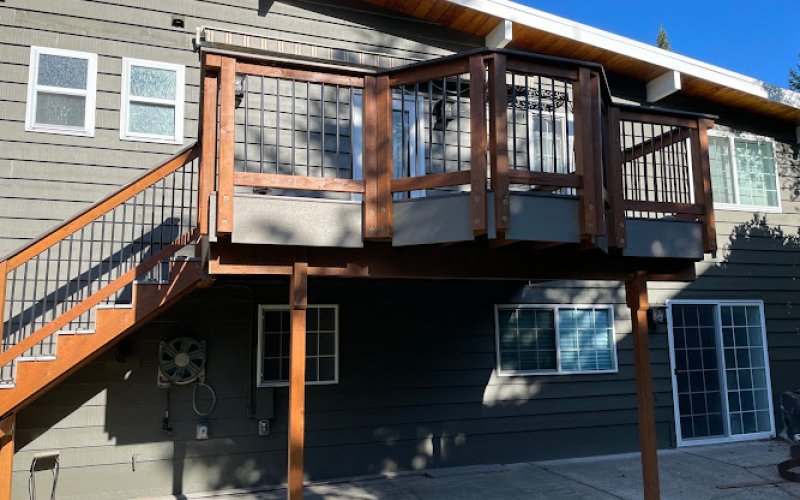
Build-Up Construction
Remodeler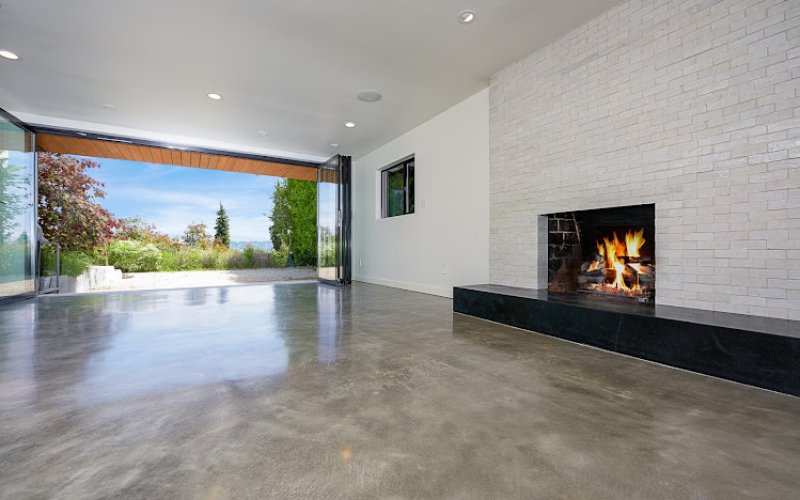
Coastal Construction LLC
General contractor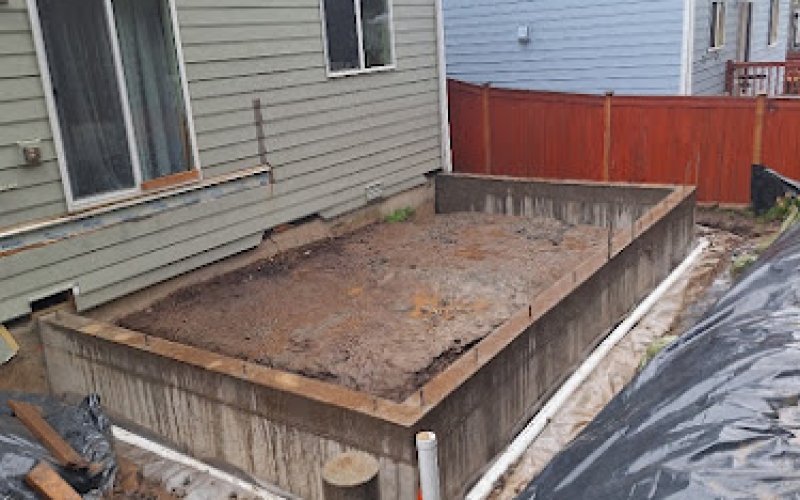
Equinox Builders
Contractor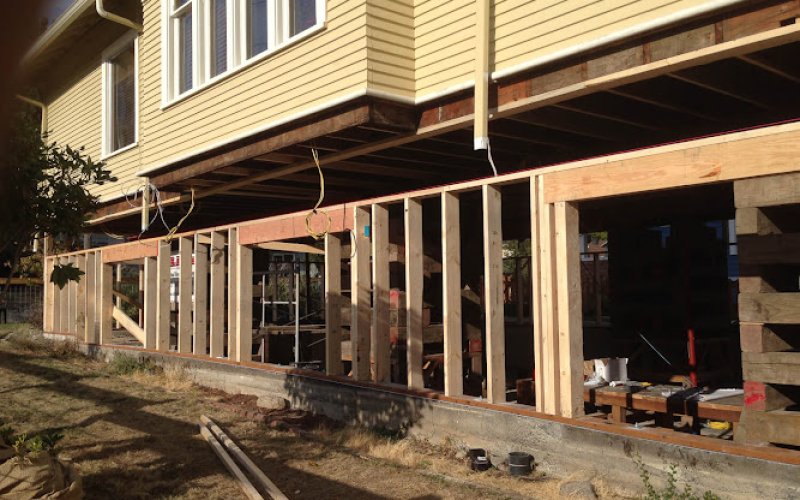
Fuller Living Construction
General contractor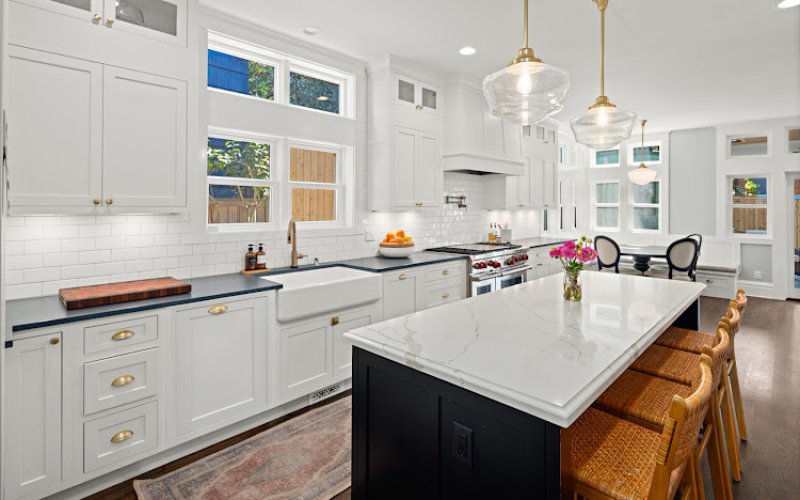
Harjo Construction
Construction company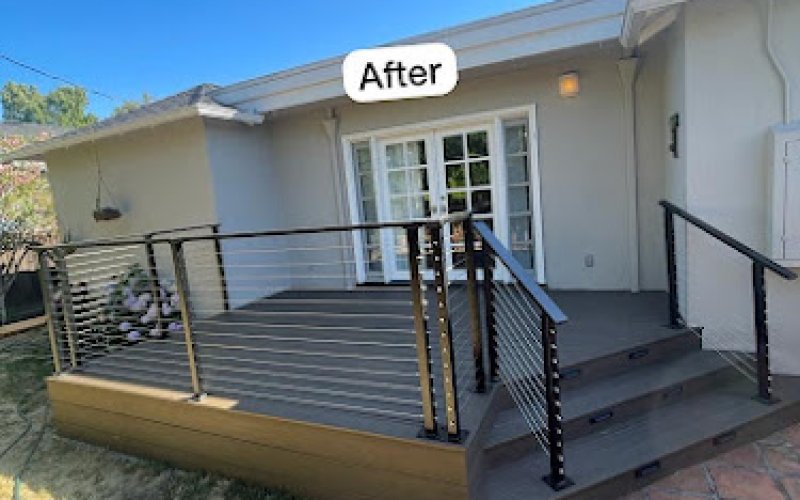
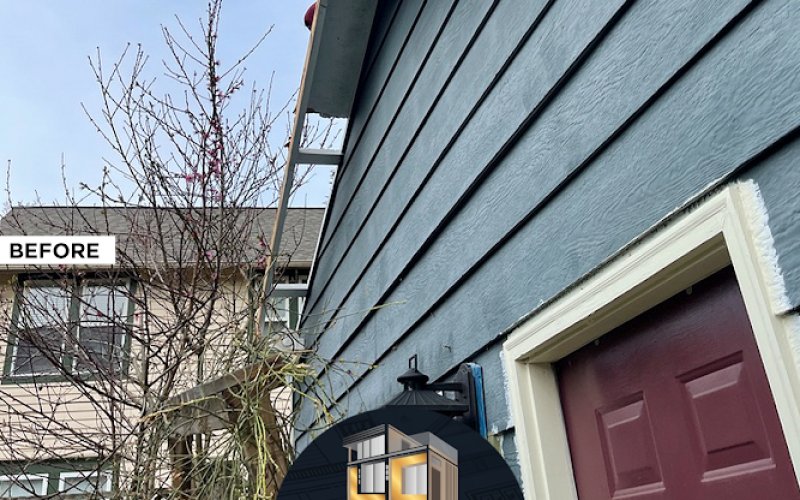
Levite Construction CO
Bathroom remodeler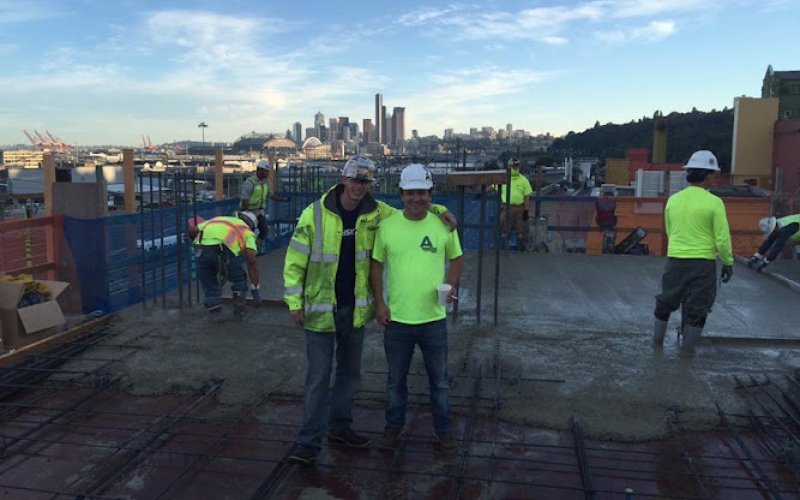
Total Construction LLC
General contractor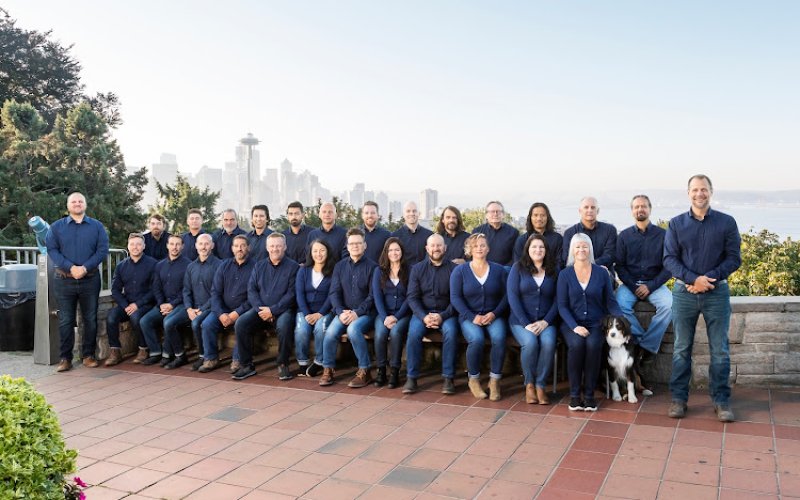
Model Remodel
General contractor
Elluminati
ContractorElluminati provides clone script app development, specializing in ready-made, white-label solutions powered by next-generation technologies. We offer clone apps inspired by popular businesses in industries such as ride-hailing, food delivery, grocery delivery, service marketplaces, courier, and logistics. We help startups, enterprises, and growing businesses streamline operations, overcome operational challenges, enhance customer experiences, and build scalable on-demand platforms designed for long-term growth.
About Contractors in Seattle
Here's a number that stopped me mid-coffee last week: permit applications for residential remodels in King County jumped roughly 18% year-over-year, and yet the average homeowner waits 6 to 9 weeks just to get a bid scheduled with a licensed contractor worth hiring. That's not a typo. Demand is outpacing available crews by a wide enough margin that some Ballard homeowners I've talked to started their kitchen project search in February for work that won't start until October.
Look, Seattle's Contractors market isn't like Phoenix or Charlotte, where new-build sprawl drives most of the work. This city's housing stock is old — Craftsman bungalows in Wallingford pushing 100 years, brick apartment conversions in Capitol Hill — so remodel and repair work dominates over new construction. Roughly 68% of licensed contractor activity here, per state contractor registration data, ties back to renovation, ADU additions, or structural repair rather than ground-up builds. That ADU boom specifically is its own animal — since Seattle relaxed backyard cottage rules a few years back, permit filings for accessory dwelling units have nearly tripled, and every general contractor I know now has at least one ADU crew running.
The customer base skews two ways: longtime homeowners (median tenure 14 years in neighborhoods like Ravenna and Maple Leaf) sitting on equity and finally fixing what they've deferred, and newer buyers — often tech-sector transplants — who bought a fixer at $850K+ and need everything from foundation work to electrical panel upgrades. Between those two groups, you've got a market moving an estimated $2.1 billion annually in residential contractor spend across the metro, according to regional construction industry estimates. That's real money, and it's why this directory's 10 listed businesses represent a tiny slice of the hundreds of licensed contractors competing for your project.
Ballard
- Area Profile: Mix of old-timer Scandinavian-heritage families and younger buyers who paid a premium for character homes near the locks. Household incomes trending upper-middle, $110K-$140K range.
- Contractors Activity: Heavy demand for kitchen remodels and garage-to-ADU conversions. Bungalow foundation repair is huge here — a lot of these homes sit on original 1920s foundations.
- Price Range: $45K-$95K for mid-size kitchen or bath remodels.
- Local Note: Historic district overlays in parts of Ballard mean extra permitting steps — contractors unfamiliar with that process cause delays constantly.
Capitol Hill
- Area Profile: Dense, renter-heavy, but property owners here are increasingly investors converting old buildings into multi-unit rentals or condos.
- Contractors Activity: Commercial tenant improvement work and multi-unit renovation dominates over single-family projects.
- Price Range: $60K-$250K+ depending on unit count and code compliance needs.
- Local Note: Older brick buildings mean seismic retrofit work is non-negotiable for a lot of jobs — this adds 15-20% to project budgets that inexperienced buyers don't anticipate.
West Seattle
- Area Profile: Family-oriented, somewhat isolated geographically (the bridge saga taught everyone that), median household income around $95K.
- Contractors Activity: Deck and exterior work is huge given the water views. Also a lot of drainage and foundation moisture mitigation — this area fights groundwater constantly.
- Price Range: $20K-$60K for decks, siding, and drainage systems.
- Local Note: Because of the bridge closure years back, a lot of contractors pulled back from taking jobs here — availability is still catching back up.
📊 Current Price Points:
- Budget options: $8,000-$25,000 (single-room updates, basic repairs, small deck work)
- Mid-range: $40,000-$120,000 (kitchen/bath remodels, ADU builds, most popular segment)
- Premium: $150,000+ (whole-home renovations, historic restorations, multi-unit conversions)
📈 Market Trends: Demand is up an estimated 12% from last year, driven largely by that ADU permitting surge I mentioned earlier. Skilled labor supply, though? Down. Several contractors I've spoken with say finding licensed journeyman electricians and plumbers is the actual bottleneck now, not client demand. Pricing has moved upward roughly 7-9% year-over-year on labor costs alone, materials have leveled off somewhat after the wild swings of 2022-2023. Average project timeline from signed contract to completion sits around 14 weeks for mid-size remodels — though I've seen ADU projects stretch to 6 months when permitting gets stuck in Seattle Department of Construction and Inspections queues.
💰 What People Are Spending:
- Kitchen remodels — average $58,000
- ADU construction — average $185,000 for detached units
- Bathroom renovation — average $32,000
- Roofing and exterior repair — average $18,000
- Foundation/structural repair — average $27,000
Economic Indicators: King County population continues growing around 1.1% annually, still recovering post-pandemic dips but steady. Amazon, Microsoft, and the broader tech sector remain dominant employers, though hybrid work has actually increased home renovation spend — people upgrading home offices, finishing basements. Major development projects like the ongoing waterfront rebuild and Sound Transit light rail expansions are reshaping which neighborhoods see contractor demand spike next (South Lake Union and Judkins Park stations, for example, are pulling investment interest). Median household income in Seattle proper sits around $112,000, well above Washington's statewide median of roughly $87,000.
Local Market Dynamics: There are an estimated 3,200+ licensed general contractors operating in the greater Seattle area, but no single firm dominates — it's fragmented, mostly small-to-midsize operations with 5-30 employees. Competition is fierce for skilled crews, less so for client acquisition, honestly. Recent disruption: lumber and specialty material costs stabilizing has helped, but permitting backlogs at the city level remain the real friction point everyone complains about.
How This Affects Buyers/Customers: Practically, this means you need to book contractors further in advance than you'd think — 2-3 months out for a consultation isn't unusual anymore. And here's the thing: the fragmented market means quality varies wildly, which is exactly why vetting matters more here than in markets with fewer, larger dominant players.
- ☀️ Spring/Summer: Peak demand, contractors booked solid, expect premium pricing and longer wait times for scheduling.
- 🍂 Fall: Smart window — demand cools slightly after summer rush, contractors more willing to negotiate on interior projects before winter.
- ❄️ Winter: Slowdown for exterior work (obviously — nobody's roofing in January rain), but interior remodels often see 10-15% pricing flexibility.
- 📅 Peak months: March through August for booking; November through February for negotiating leverage.
Timing Tips for Seattle: Best deals typically land in late fall when crews want to fill winter schedules with interior work. Inventory of available contractor slots peaks in January as everyone's calendar resets. Permit processing tends to slow around city budget cycle shifts too, so plan accordingly.
Smart Timing Tips:
- ✓ Book consultations by January for a summer start date
- ✓ Negotiate harder on interior projects scheduled for December-February
- ✓ Avoid rushing exterior work in November — rain delays are real and will blow your timeline
- ✓ Ask contractors about their winter schedule gaps — that's your leverage point
Credentials to Verify: Every legitimate contractor needs active registration with Washington State's Department of Labor & Industries (L&I) — this isn't optional, it's the law. Check their L&I contractor lookup tool directly, don't just trust what's on a business card. Look for bonding and liability insurance minimums, and membership in groups like the Master Builders Association of King and Snohomish Counties signals someone invested in doing this long-term, not just passing through.
Questions to Ask: How long have they specifically operated in Seattle (not just Washington state broadly)? Can they give you three local references from projects completed in the last year? Will they put pricing and change-order policies in writing before work starts?
⚠️ Red Flags Specific to Seattle Contractors:
- Door-to-door solicitors after storms offering "discount" roof inspections — this happens a lot in West Seattle after windstorms
- Contractors who can't produce their L&I registration number on request
- Demanding full payment upfront before any work begins (WA law limits deposit amounts)
- No permits pulled for work that clearly requires them — this is a huge liability for you later when you sell
Where to Check Complaints: Start with L&I's contractor complaint database, it's public. Then BBB Western Washington, and finally read Google reviews looking specifically for patterns — one bad review is normal, five complaints about the same "disappearing after deposit" issue is your answer.
✓ Established presence in Seattle (not just passing through)
✓ Verifiable local reviews and references
✓ Transparent pricing, no hidden fees
✓ Clear process explained upfront
✓ Responsive communication
Check Reviews & Ratings
We recommend verifying businesses through trusted review platforms before making a decision.
Frequently Asked Questions
Popular Categories in Seattle
Explore Other Cities
🔨 Contractors near Seattle
Professional Categories in Seattle, WA
Related Services from Similar Professionals