Austin, TX's Trusted Contractors
Welcome to the Austin Contractors Directory, your go-to spot for finding solid, reliable pros right here in the ATX area. Whether you're tackling a small fix-up or a full-blown renovation, we've got you covered with folks who know their stuff.

Hill Country Water Damage Restoration
Water extraction, structural drying and water damage repair across the Texas Hill Country. Call (512) 859-9279.
Map of Businesses in Austin
All Listings in Austin
10 businesses
ATX Construction & Remodeling General Contractor
General contractor
Consider it Done - GARSC - Greater Austin Residential Service Company
General contractor
Prime Construction & Remodeling
General contractor
Teamwork Home Designs - General Contractor Austin
General contractor
DiamondPoint Contractors
Handyman/Handywoman/Handyperson
LOA Construction and Austin Roofing
General contractor
Trimbuilt Construction Inc
General contractor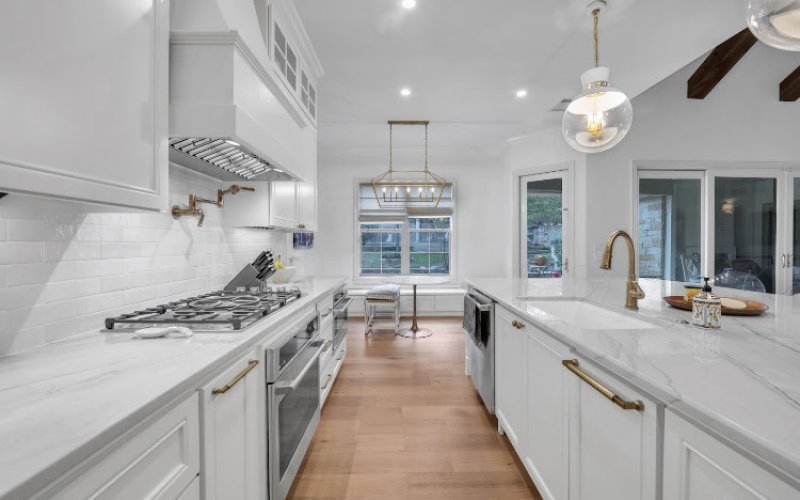
AGC Home Remodeling & Construction
General contractor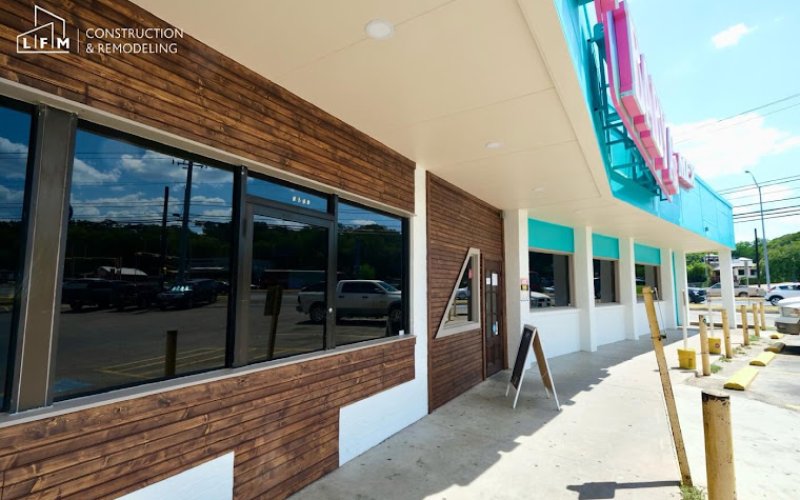
LFM Construction & Remodeling
General contractor
License Me
Handyman/Handywoman/HandypersonWe deliver affordable, flexible, and career-focused online learning designed to help students develop practical skills and earn certificates that support career growth. Our self-paced courses make it easier to learn on your schedule while staying focused on real-world outcomes.
About Contractors in Austin
Here's something people don't tell you: the contractor shortage everyone complains about isn't really about the number of trucks on the road—it's about the good ones being booked out for weeks while a whole shadow economy of unlicensed operators fills the gap.
Austin's contractor market is a weird mix right now. You've got old-school outfits that have been fixing up Central Texas homes since before anyone called this place a tech hub, sitting alongside newer companies that showed up chasing the growth. Both can be great. Both can also burn you if you don't do your homework.
Demand tends to track a few obvious things: home age (a lot of Austin housing stock spans everything from mid-century bungalows to brand-new builds, and each has different problems), weather damage, and just the general churn of people buying, renovating, and flipping property. When storms roll through or a heat wave fries an HVAC system, phones start ringing.
Your typical customer here isn't one type of person. It's homeowners in older neighborhoods dealing with foundation quirks from the region's clay-heavy soil, it's newer transplants renovating a place to fit their taste, and it's landlords maintaining rental property. Austin's climate—hot summers, occasional hard freezes, and a lot of sun—means roofing, foundation work, and HVAC stay in steady demand pretty much year-round.
Downtown & Central Austin
- Area Character: Dense, older housing mixed with high-rise condos and a lot of renovation activity as older properties get updated.
- Contractors Relevance: Expect demand for remodels, electrical upgrades to handle modern loads, and work that requires navigating tight lots or shared walls.
- Good to Know: Parking and access can be a real logistical headache for contractors here—ask upfront how they handle it, since it can affect your quote.
South Austin (Zilker, Travis Heights area)
- Area Character: A mix of established, character-filled homes and steady renovation activity, with a laid-back but design-conscious vibe.
- Contractors Relevance: Foundation work and drainage issues come up often given the terrain and older construction, plus a lot of kitchen and outdoor living projects.
- Good to Know: Older homes in this area sometimes have permitting quirks tied to their age—confirm your contractor is comfortable pulling the right permits.
East Austin
- Area Character: Rapidly changing mix of long-time residents and newer development, with a lot of older housing stock getting rehabbed.
- Contractors Relevance: Big range—full renovations, additions, and structural work are common as homes get updated to modern standards.
- Good to Know: Because there's so much construction activity, good contractors here can book up fast. Get on someone's calendar early.
💰 What Drives the Price:
- Scope of the job matters more than almost anything—a small repair and a full renovation aren't even the same conversation. Materials (budget grade vs. premium), how complicated the access is, and the experience level of the crew all move the number too.
- Timing plays a role. A contractor slammed with work in peak season may quote higher, or just take longer, than one with open availability.
- The only real way to know what something costs right now in Austin is to get multiple local quotes. Anyone quoting you a number without seeing the job is guessing.
📈 General Patterns:
Demand for a lot of contractor work in Austin picks up in warmer months, when people are more inclined to tackle outdoor projects, roofing, and renovations. Winter tends to be a bit slower for exterior work, though indoor projects keep going year-round. Timelines get affected by weather delays, permit approval speed, and how backed up a contractor's crew already is.
- Get at least three quotes for anything beyond a minor repair—don't settle for one bid and assume it's fair.
- Ask for an itemized breakdown, not just a lump sum. It's the only way to compare quotes apples-to-apples.
- Be suspicious of a quote that's dramatically lower than the others. There's usually a reason.
A local contractor already knows what Austin's clay soil does to foundations, how the hard freezes we occasionally get can crack pipes that weren't insulated right, and which permitting quirks come up in older neighborhoods. That's not something you learn from a manual—it's from doing the work here, repeatedly.
There's also the practical stuff. If something goes wrong six months after the job's done, a contractor with an actual local office and a reputation to protect is a lot easier to hold accountable than someone who drove in from three counties over.
What This Means for You: Local reputation is checkable. You can ask neighbors, look up reviews tied to actual addresses, and find people who've used the same contractor. That kind of accountability tends to keep the work more honest.
- ☀️ Spring/Summer: This is typically the busiest stretch—outdoor projects, roofing, and renovations spike as weather cooperates.
- 🍂 Fall: Often a good window. Weather's still workable, and the summer rush has usually died down a bit.
- ❄️ Winter: Exterior work slows, but it can be a decent time to book indoor projects since crews have more availability.
- 📅 Booking a few weeks to a couple months ahead, especially heading into spring, generally gets you better availability and more attention on your project.
Smart Timing Tips:
- ✓ Book big exterior projects (roofing, painting) in the shoulder seasons if you want more contractor availability.
- ✓ Don't wait until something's an emergency to start vetting contractors—research when you're not desperate.
- ✓ Ask contractors directly when their slow season is. Some will pass along better pricing or attention if you're flexible on timing.
- ✓ If your project isn't weather-dependent, winter can be a smart time to negotiate.
Credentials to Verify: Depending on the trade, you'll want to confirm a state contractor license or trade-specific certification (electrical, plumbing, HVAC all typically require their own licensing). Check with TX's licensing board for the relevant trade to confirm what's required and whether a specific contractor holds it.
For reputation, don't just skim star ratings—read the actual reviews, especially the critical ones, and see how the business responded.
Questions to Ask:
- How long have you been working in the Austin area specifically?
- Can you provide references from recent local jobs?
- Will you put pricing and scope in writing before starting?
⚠️ General Red Flags for Contractors:
- Asking for full payment upfront before any work starts.
- No written contract or refusal to put details in writing.
- Can't provide proof of license or insurance when asked.
- Pressure tactics—pushing you to decide immediately or "today only" pricing.
Where to Check Complaints: Look at your state's licensing and consumer protection resources for the trade in question, check the Better Business Bureau for filed complaints, and read Google/Yelp reviews looking specifically for patterns—one bad review is noise, five people describing the same issue is a signal.
✓ Established presence in Austin (not just passing through)
✓ Verifiable local reviews and references
✓ Transparent pricing, no hidden fees
✓ Clear process explained upfront
✓ Responsive communication
Check Reviews & Ratings
We recommend verifying businesses through trusted review platforms before making a decision.
Frequently Asked Questions
Popular Categories in Austin
Explore Other Cities
🔨 Contractors near Austin
Professional Categories in Austin, TX
Related Services from Similar Professionals