Top Contractors Serving San Francisco, CA
Welcome to the San Francisco Contractors Directory! Whether you're tackling a kitchen remodel, fixing up your bathroom, or need someone reliable for a bigger renovation project, you'll find trusted local pros right here in the city.
Map of Businesses in San Francisco
All Listings in San Francisco
8 businesses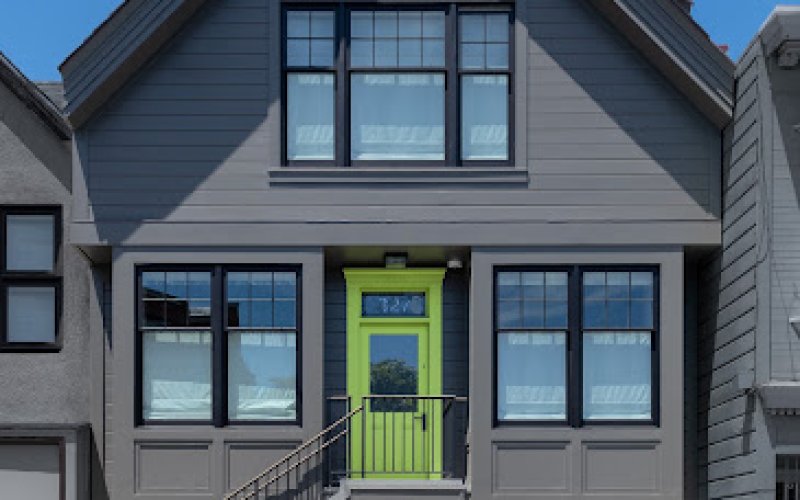
Aaron Gordon Construction, Inc.
General contractor
Perez Construction
Construction company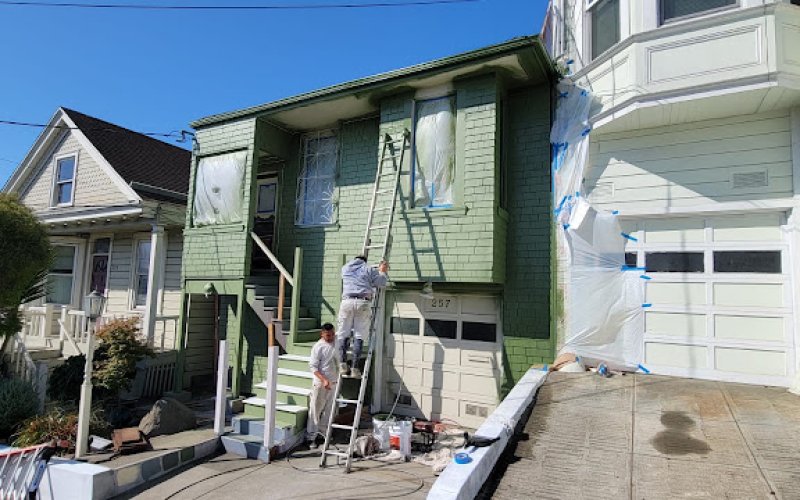
RB Construction General Contractor
General contractor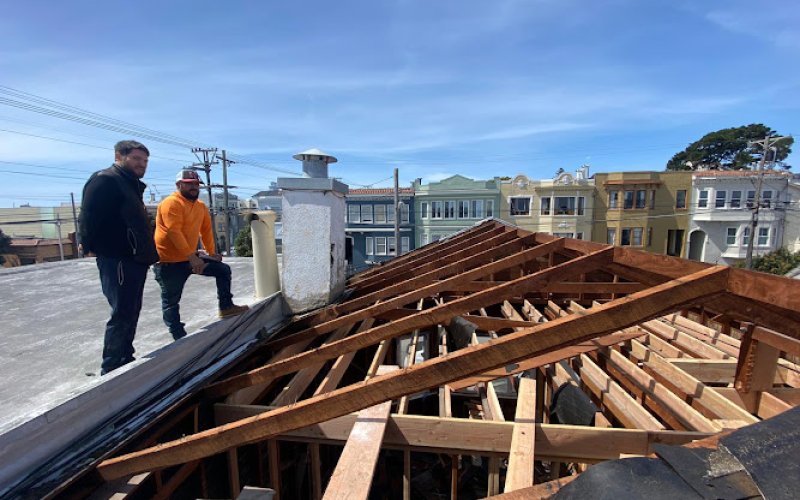
SBC CONSTRUCTION
Construction company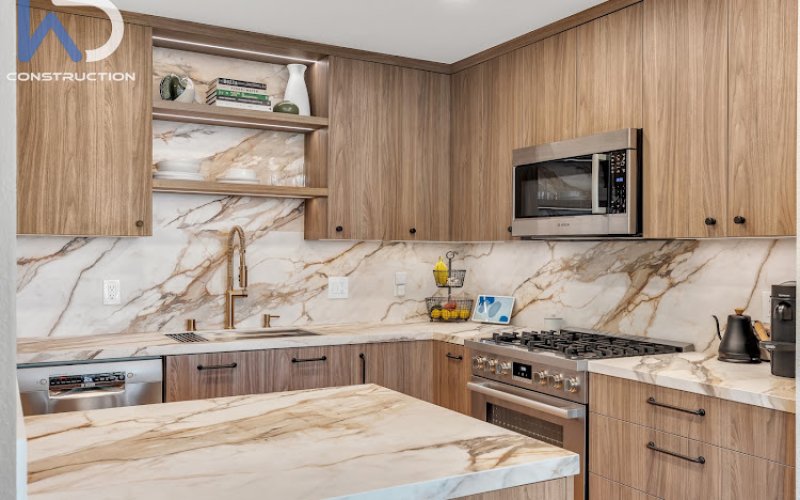
We Do Construction
Contractor
Sunset Home Builders
Construction company
Edri Construction
Construction company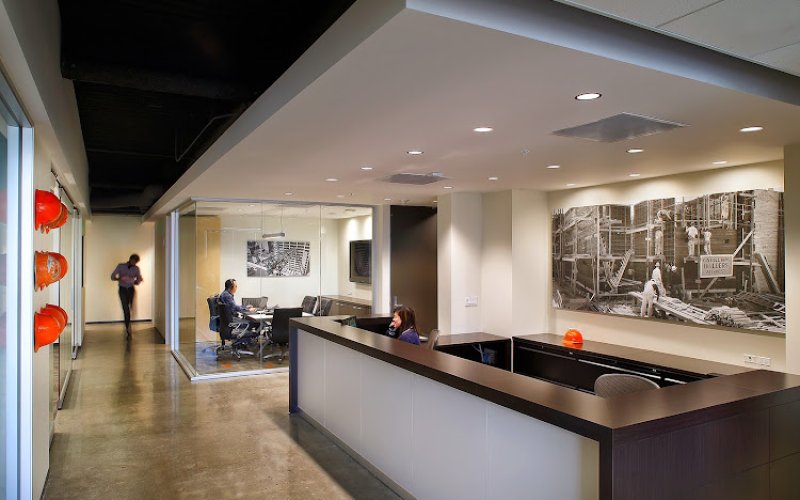
Cahill Contractors
General contractorAbout Contractors in San Francisco
Here's something people don't think about: San Francisco has some of the oldest housing stock of any major American city, which means a huge chunk of contractor work here isn't glamorous remodels — it's coaxing century-old bones into code compliance.
The contractor market in this city runs on a weird mix of extremes. You've got Victorian and Edwardian homes packed tight on narrow lots, seismic retrofit needs that don't exist in most of the country, and a permitting environment that's, well, let's just say thorough. That combination shapes almost every job, whether it's a kitchen remodel or a full foundation repair.
Demand tends to track a few predictable things: the age and condition of the housing stock, how much people are buying and renovating versus building new (San Francisco is famously land-locked, so it's rarely "new"), and general home-improvement cycles tied to interest rates and how long people plan to stay put. When people renovate instead of move, contractors get busy.
Typical customers split a few ways — homeowners tackling a single big project (a bathroom, a deck, a seismic upgrade), landlords maintaining rental units in a city with a lot of multi-unit buildings, and small commercial property owners doing tenant improvements. Fog, hills, and earthquake risk aren't abstract concerns here; they genuinely inform what "good work" looks like in this market.
Sunset District
- Area Character: Dense rows of mid-century homes, foggy microclimate, largely residential and family-oriented.
- Contractors Relevance: Lots of demand for moisture/mold remediation, roofing, and garage-to-living-space conversions given lot sizes.
- Good to Know: The persistent fog out here is genuinely harder on exteriors and paint jobs than in sunnier parts of the city — ask contractors about weatherproofing specific to that.
Noe Valley
- Area Character: Hilly, sunnier pocket with a lot of well-kept Victorians and Edwardians, generally higher-end residential feel.
- Contractors Relevance: Historic-home renovation work, foundation and structural jobs, kitchen/bath remodels that respect original architectural details.
- Good to Know: Older homes here often hide surprises behind the walls — knob-and-tube wiring, outdated plumbing — so budget for the unexpected.
SoMa (South of Market)
- Area Character: Mixed residential-commercial, lots of converted lofts and newer mid-rise construction alongside older industrial buildings.
- Contractors Relevance: Tenant improvement work, commercial buildouts, and renovations of converted industrial spaces.
- Good to Know: Commercial permitting rules can differ meaningfully from residential — make sure whoever you hire has actually done work in this specific zoning context.
💰 What Drives the Price:
- Scope and complexity matter more than almost anything — a straightforward repair and a structural overhaul aren't in the same universe, price-wise.
- Material choices (standard vs. premium finishes), site access (hills, tight lots, street parking), and permit requirements all push costs up or down.
- Contractor experience and demand for their time — a busy, well-reviewed crew often costs more, but usually for good reason.
- Getting multiple local quotes is really the only honest way to know what a job costs right now in this specific market. Anyone quoting you a number sight-unseen is guessing.
📈 General Patterns:
Demand for contractor work typically rises in warmer, drier months when outdoor and exterior projects are easier to schedule. Interior work tends to stay steadier year-round since it's less weather-dependent. Timelines get affected by permit review time, material availability, and how many other jobs a contractor already has lined up.
- Get at least three quotes, and make sure each one covers the exact same scope — apples to apples, not vague estimates.
- Ask for a written breakdown of labor vs. materials so you can actually compare where the money's going.
- Build in a contingency for older homes — surprises behind old plaster or under old foundations are common, not rare.
Why Local Providers Have an Edge:
A contractor who's worked all over the city already understands the fog belt versus the sunnier microclimates, knows which neighborhoods tend to have older electrical or plumbing systems, and has likely dealt with local permitting quirks before. That's not something you can fake with a generic out-of-town crew.
- They know the seismic retrofit expectations that come with San Francisco's older buildings.
- If something goes wrong six months later, a local contractor is easy to actually reach and hold accountable.
- Their reputation is checkable — past clients, past permits, past jobs you can sometimes go look at.
What This Means for You: practically, hiring local reduces the odds of surprises. Someone who's pulled permits with the city before, who's dealt with a hillside lot before, saves you time and probably some money too, just by not having to learn on your job.
General Seasonal Patterns:
- ☀️ Spring/Summer: demand usually picks up for exterior work, decks, and remodels people have been planning all winter.
- 🍂 Fall: often a good window — summer rush cools off a bit, weather's still workable for most projects.
- ❄️ Winter: interior projects (kitchens, bathrooms, basements) tend to stay active since weather matters less.
- 📅 Booking several weeks to a few months ahead generally helps you land a more in-demand contractor's schedule.
Smart Timing Tips:
- ✓ Book exterior work in the shoulder seasons if you can — fewer scheduling conflicts, more contractor attention.
- ✓ Don't wait until you desperately need the work done — good contractors book up, sometimes months out.
- ✓ Ask up front how weather or permit delays typically affect their timelines, so you're not blindsided.
- ✓ If it's not urgent, consider off-peak booking — you'll often get more flexibility on scheduling and attention to detail.
Credentials to Verify:
Contractors doing structural, electrical, or plumbing work in California generally need a state contractor license for that trade — check with California's licensing board for contractors before hiring anyone for major work. For reputation, go beyond star ratings: read the actual text of reviews, look for patterns, and check if they show up on local review platforms with a real, ongoing history.
Questions to Ask:
- How long have they specifically operated in San Francisco?
- Can they provide references from recent local customers — not just old ones?
- Are they upfront about pricing, change orders, and additional fees before work starts?
⚠️ General Red Flags for Contractors:
- Pressure to sign immediately or pay large deposits upfront, in full, before any work begins.
- No written contract, or a contract that's vague about scope, materials, and timeline.
- Can't produce license info or gets defensive when asked about it.
- Reviews that mention no-shows, unfinished jobs, or repeated communication breakdowns.
Where to Check Complaints:
- Your state's licensing and consumer protection office — a quick search will tell you if complaints are on file.
- BBB profiles, especially for pattern-of-complaint issues rather than one-off gripes.
- Google and Yelp reviews — watch for repeated mentions of missed deadlines, poor communication, or unfinished punch lists.
✓ Established presence in San Francisco — not a crew that just showed up this year.
✓ Verifiable local reviews and references you can actually follow up on.
✓ Transparent pricing, laid out in writing, no vague line items.
✓ A clear process explained upfront — what happens, in what order, and why.
✓ Responsive, clear communication from the very first conversation.
No verifiable license for the trade in question.
Refuses to put pricing or scope in writing.
Can't or won't provide any local references.
Consistently unresponsive before you've even hired them — it rarely gets better after.
Check Reviews & Ratings
We recommend verifying businesses through trusted review platforms before making a decision.
Frequently Asked Questions
Popular Categories in San Francisco
Explore Other Cities
🔨 Contractors near San Francisco
Professional Categories in San Francisco, CA
Related Services from Similar Professionals